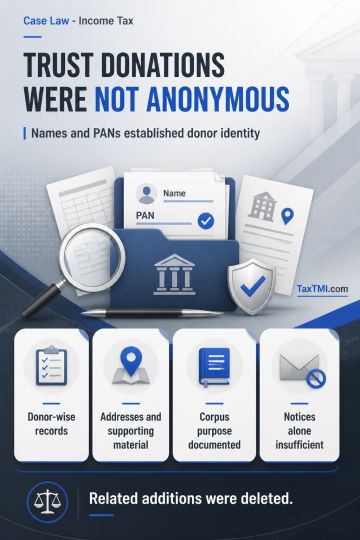
Anonymous donation classification fails where charitable trusts maintain undisputed donor identity records and evidence corpus contributions' intended...
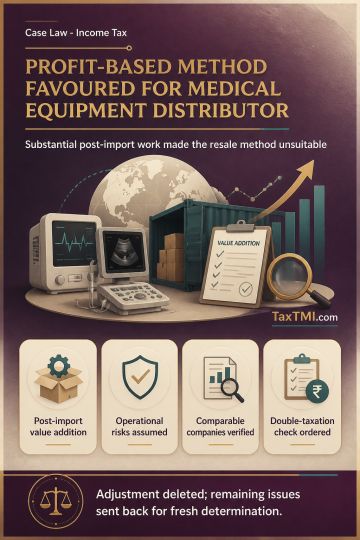
Transfer pricing method selection favours TNMM where medical-equipment distribution involves substantial post-import value addition and operational ri...
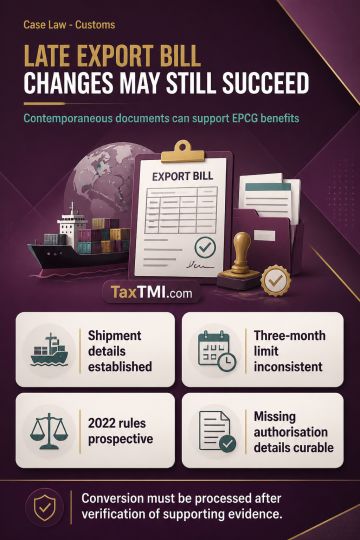
Post-export shipping bill conversion remains available where contemporaneous evidence supports EPCG benefits despite curable procedural omissions and ...
Sections 118 and 139 of the Negotiable Instruments Act created a statutory presumption in favour of the complainant where the accused's cheques were signed, dishonoured for insufficiency of funds, and the notice referred to an acknowledged liability. The accused failed to rebut that presumption by proving that Yahoo Limited had taken over the entire liability or that the complainant had accepted performance from that third party; the cheque-on-security plea also did not defeat liability once the debt matured. Pendency of civil proceedings did not bar prosecution, and the High Court declined to disturb concurrent factual findings in revision absent perversity. Conviction under Section 138 was therefore sustained, but the appellate court could not suo motu enhance the default sentence in the accused's appeal, so that enhancement was set aside and the trial sentence restored.
Sections 118 and 139 of the Negotiable Instruments Act created a statutory presumption in favour of the complainant where the accused's cheques were signed, dishonoured for insufficiency of funds, and the notice referred to an acknowledged liability. The accused failed to rebut that presumption by proving that Yahoo Limited had taken over the entire liability or that the complainant had accepted performance from that third party; the cheque-on-security plea also did not defeat liability once the debt matured. Pendency of civil proceedings did not bar prosecution, and the High Court declined to disturb concurrent factual findings in revision absent perversity. Conviction under Section 138 was therefore sustained, but the appellate court could not suo motu enhance the default sentence in the accused's appeal, so that enhancement was set aside and the trial sentence restored.
Note: It is a system-generated summary and is for quick reference only.
 TaxTMI
  TaxTMI
 of 4816













 Join Channel


