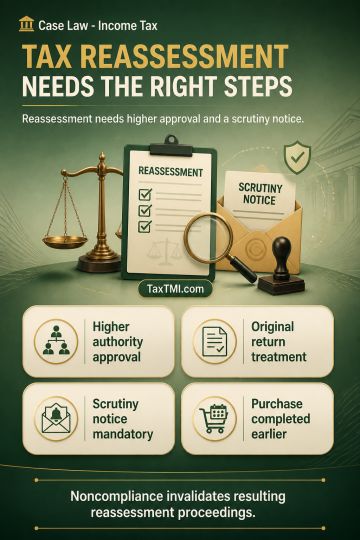
Opportunity to furnish unsecured-loan confirmations is required before reassessment initiation; proceedings require fresh consideration after taxpayer...
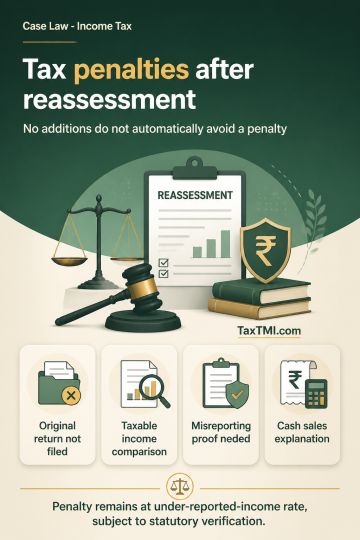
Under-reporting on a first reassessment return attracts penalty, while enhanced misreporting penalty requires proof of a statutory misreporting catego...
Once an amalgamation scheme is approved, the amalgamating company ceases to exist in law, so proceedings continued in its name are without jurisdiction. The Court held that, after intimation of amalgamation and cancellation of registration, a show cause notice and adjudication order issued against the erstwhile entity are void. Section 87 of the CGST Act applies only to the limited intervening period it contemplates and does not authorise proceedings against a non-existent entity after amalgamation. Participation by the taxpayer and the availability of other lawful remedies did not cure the jurisdictional defect, and the GST order was quashed while other contentions were left open.
Once an amalgamation scheme is approved, the amalgamating company ceases to exist in law, so proceedings continued in its name are without jurisdiction. The Court held that, after intimation of amalgamation and cancellation of registration, a show cause notice and adjudication order issued against the erstwhile entity are void. Section 87 of the CGST Act applies only to the limited intervening period it contemplates and does not authorise proceedings against a non-existent entity after amalgamation. Participation by the taxpayer and the availability of other lawful remedies did not cure the jurisdictional defect, and the GST order was quashed while other contentions were left open.
Note: It is a system-generated summary and is for quick reference only.
 TaxTMI
  TaxTMI
 of 4916