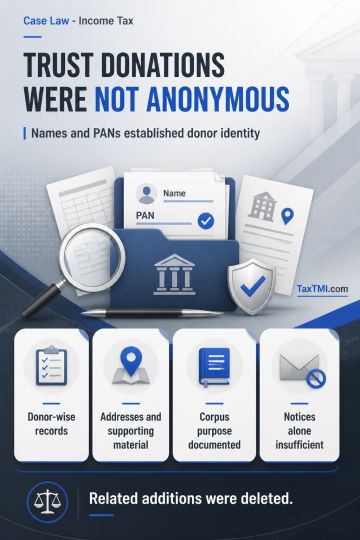
Anonymous donation classification fails where charitable trusts maintain undisputed donor identity records and evidence corpus contributions' intended...
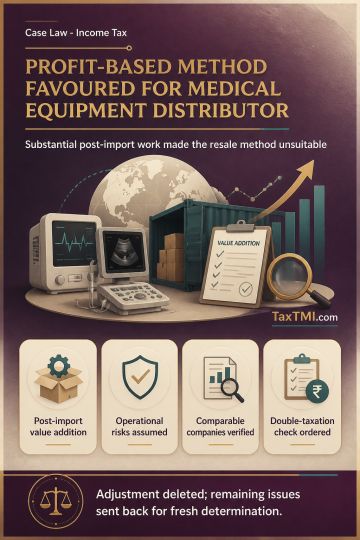
Transfer pricing method selection favours TNMM where medical-equipment distribution involves substantial post-import value addition and operational ri...
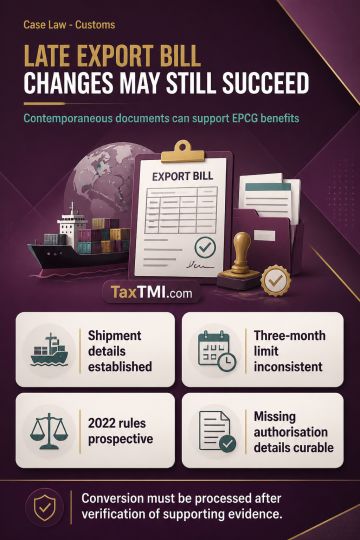
Post-export shipping bill conversion remains available where contemporaneous evidence supports EPCG benefits despite curable procedural omissions and ...
The statutory bar on parallel proceedings under the GST law applies when the later action concerns the same subject matter, meaning the same distinct infraction, tax liability or obligation, not the year or return in general. Applying this principle, the High Court found that the assessment and rectification orders were unsustainable because the authority did not clearly determine whether the transactions covered by the earlier Central proceedings were being omitted from the State action or whether the State case involved separate infractions. The orders were quashed and the matter remanded for fresh consideration with a transaction-wise examination of overlap and exclusion of matters already covered by the Central authorities.
The statutory bar on parallel proceedings under the GST law applies when the later action concerns the same subject matter, meaning the same distinct infraction, tax liability or obligation, not the year or return in general. Applying this principle, the High Court found that the assessment and rectification orders were unsustainable because the authority did not clearly determine whether the transactions covered by the earlier Central proceedings were being omitted from the State action or whether the State case involved separate infractions. The orders were quashed and the matter remanded for fresh consideration with a transaction-wise examination of overlap and exclusion of matters already covered by the Central authorities.
Note: It is a system-generated summary and is for quick reference only.
 TaxTMI
  TaxTMI
 of 4816









 Join Channel


