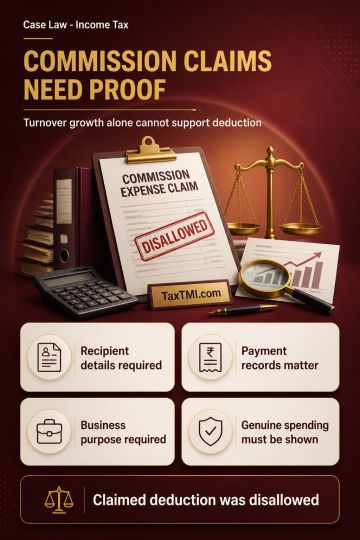
Business expenditure deduction requires proof of genuine commission payments and commercial allowability; turnover growth alone cannot validate the cl...
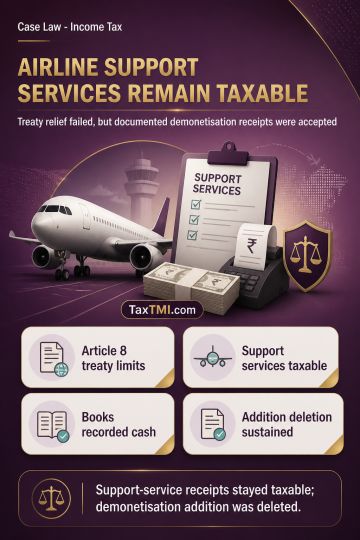
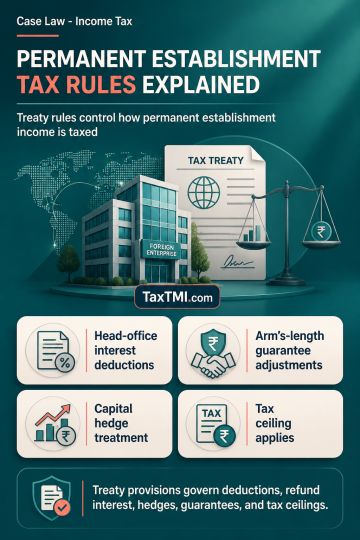
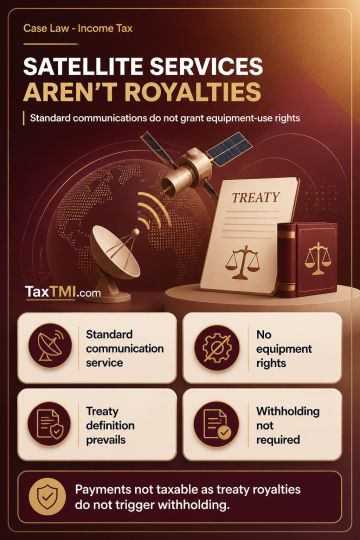
Article 8 treaty coverage excluded third-party airline support services, while documented demonetisation cash receipts remained accepted business inco...
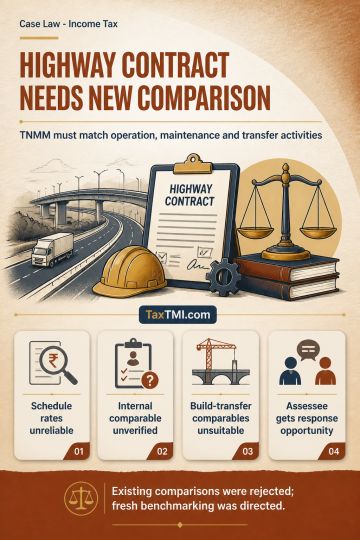
Functional comparability under TNMM requires highway contract benchmarks to reflect operation, maintenance and transfer activities, requiring fresh be...
The High Court held that the authority wrongly treated the filing date of Form No. 10-IC as distinct from the date of the condonation request, despite the assessee having filed the return on time, clearly opted for section 115BAA in ITR-6, and filed Form No. 10-IC within three years from the end of the assessment year. The omission to attach the form with the return was a procedural lapse, not a ground to deny the concessional regime where the intention to opt was unambiguous and the form was filed during proceedings. The Court also found that bona fides and genuine hardship had to be examined, and the matter was remanded for fresh decision on merits without reopening delay or limitation.
The High Court held that the authority wrongly treated the filing date of Form No. 10-IC as distinct from the date of the condonation request, despite the assessee having filed the return on time, clearly opted for section 115BAA in ITR-6, and filed Form No. 10-IC within three years from the end of the assessment year. The omission to attach the form with the return was a procedural lapse, not a ground to deny the concessional regime where the intention to opt was unambiguous and the form was filed during proceedings. The Court also found that bona fides and genuine hardship had to be examined, and the matter was remanded for fresh decision on merits without reopening delay or limitation.
Note: It is a system-generated summary and is for quick reference only.
 TaxTMI
  TaxTMI
 of 4811



 Join Channel


