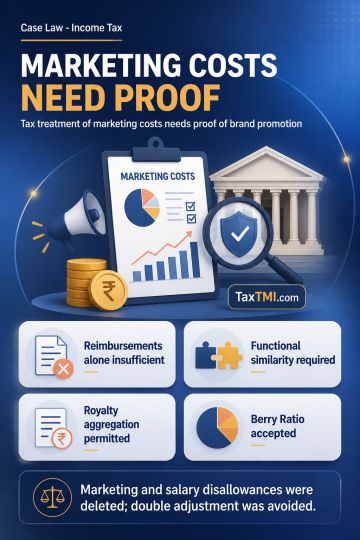
Transfer pricing requires evidence for AMP transactions, functionally reliable comparables, and appropriate aggregation or Berry Ratio benchmarking me...
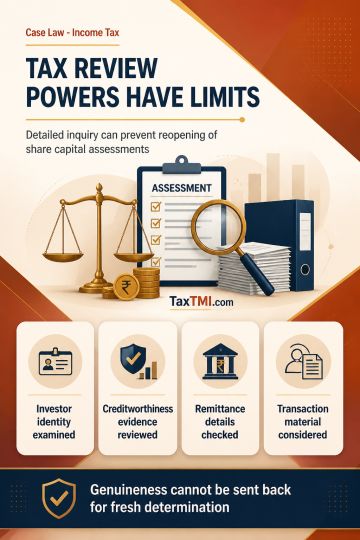
Revisionary jurisdiction cannot reopen share capital assessments where adequate inquiry supports a permissible view and no independent error is establ...
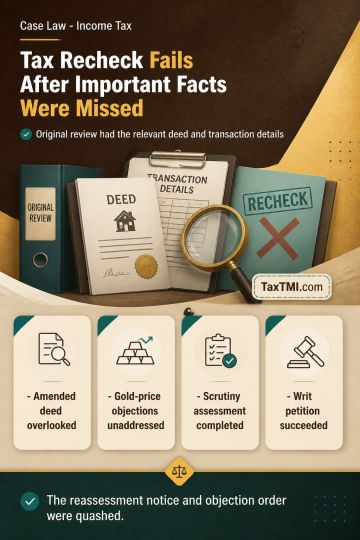
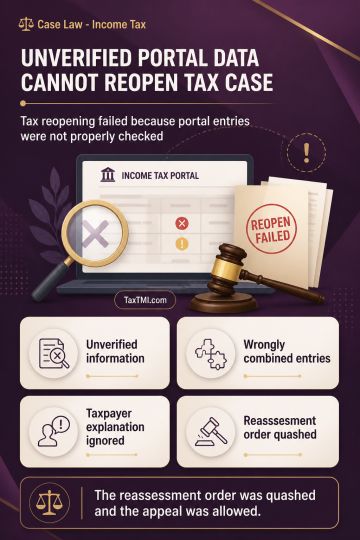
Reassessment jurisdiction fails where unverified portal information is aggregated without examining the taxpayer's explanation or relevance of entries...
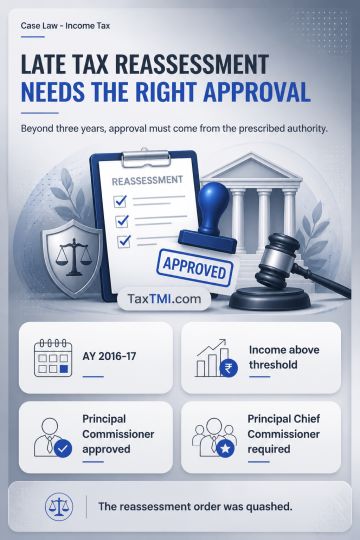
Statutory sanction for delayed reassessment requires approval from the prescribed authority; approval by an inferior authority invalidates jurisdictio...
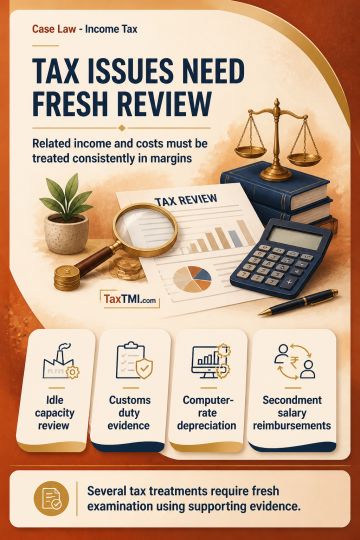
Transfer pricing margin adjustments require matching treatment of non-operating income and related costs, with comparability issues reconsidered on ev...
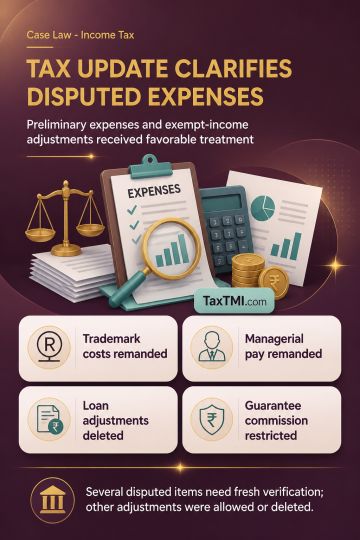
Preliminary-expense amortisation and MAT exempt-income adjustments prevailed, while trademark costs and managerial remuneration require fresh verifica...
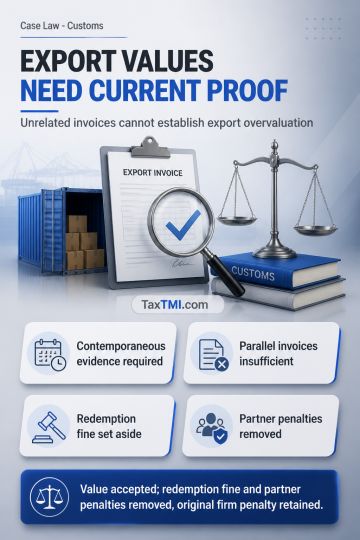
Export valuation requires contemporaneous evidence; unrelated invoices cannot prove overvaluation, and dual penalties on firm and partner are impermis...
The High Court held that the authority wrongly treated the filing date of Form No. 10-IC as distinct from the date of the condonation request, despite the assessee having filed the return on time, clearly opted for section 115BAA in ITR-6, and filed Form No. 10-IC within three years from the end of the assessment year. The omission to attach the form with the return was a procedural lapse, not a ground to deny the concessional regime where the intention to opt was unambiguous and the form was filed during proceedings. The Court also found that bona fides and genuine hardship had to be examined, and the matter was remanded for fresh decision on merits without reopening delay or limitation.
The High Court held that the authority wrongly treated the filing date of Form No. 10-IC as distinct from the date of the condonation request, despite the assessee having filed the return on time, clearly opted for section 115BAA in ITR-6, and filed Form No. 10-IC within three years from the end of the assessment year. The omission to attach the form with the return was a procedural lapse, not a ground to deny the concessional regime where the intention to opt was unambiguous and the form was filed during proceedings. The Court also found that bona fides and genuine hardship had to be examined, and the matter was remanded for fresh decision on merits without reopening delay or limitation.
Note: It is a system-generated summary and is for quick reference only.
 TaxTMI
  TaxTMI
 of 4814










 Join Channel