Composite inpatient healthcare supply may retain exemption despite MRP medicine billing, while separate taxable sale characterisation remains disputed...
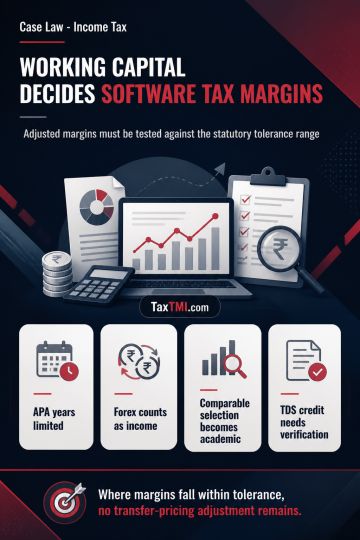
Working-capital adjustment determines whether software-services transfer-pricing margins fall within the statutory tolerance range, eliminating any ad...
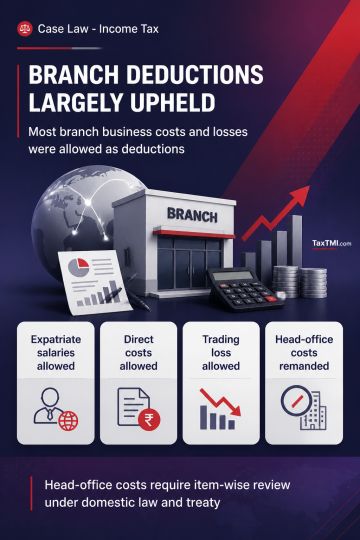
Permanent establishment deductions upheld for expatriate salaries, direct costs and trading losses, while head-office costs require fresh classificati...
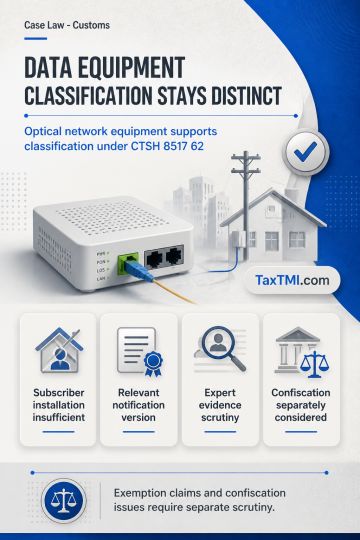
Data transmission equipment classification under CTSH 8517 62 remains distinct from residual classification, with exemption evidence requiring scrutin...
In a penalty matter under section 271D, the ITAT held that limitation under section 275(1)(c) runs from the Assessing Officer's reference initiating penalty action, not from the later notice issued by the Additional Commissioner. After noting conflicting High Court views, it followed the later Karnataka High Court position and also applied the principle that, where two non-jurisdictional interpretations are possible, the one favourable to the assessee must be adopted. As the penalty order was passed beyond the permissible period from the date of initiation, the penalty was time-barred and was quashed.
In a penalty matter under section 271D, the ITAT held that limitation under section 275(1)(c) runs from the Assessing Officer's reference initiating penalty action, not from the later notice issued by the Additional Commissioner. After noting conflicting High Court views, it followed the later Karnataka High Court position and also applied the principle that, where two non-jurisdictional interpretations are possible, the one favourable to the assessee must be adopted. As the penalty order was passed beyond the permissible period from the date of initiation, the penalty was time-barred and was quashed.
Note: It is a system-generated summary and is for quick reference only.
 TaxTMI
  TaxTMI
 of 4811















 Join Channel