Windmill commissioning evidence supported higher depreciation where grid connection and electricity generation proved operational use before the relev...
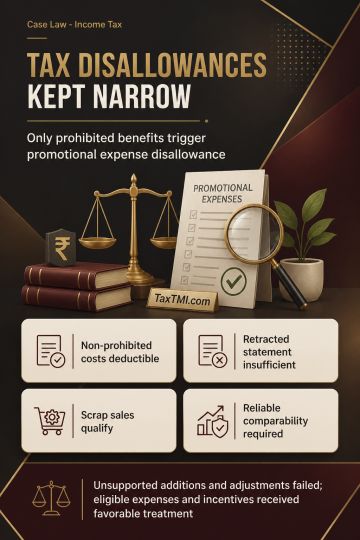
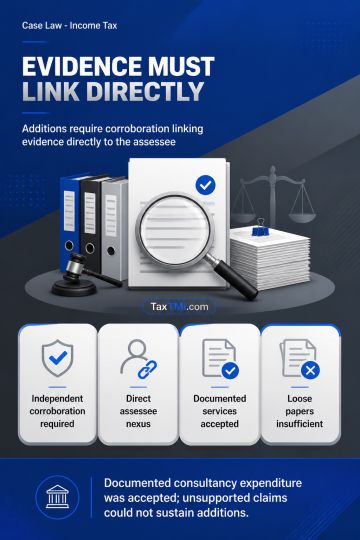
Pharmaceutical promotion and transfer-pricing comparability principles limited disallowances, while uncorroborated search allegations and unsupported ...
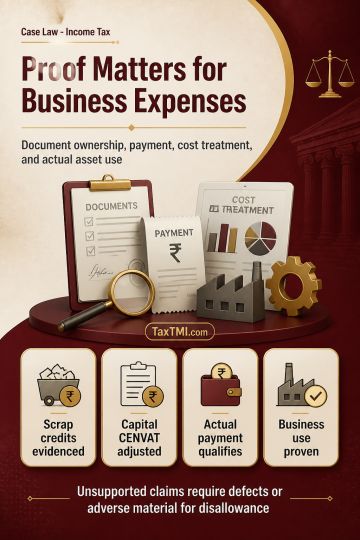
Business expenditure substantiation supports scrap credits, statutory payments and expense claims, while depreciation requires proof of actual busines...
A statutory electricity regulatory commission's tariff, licensing and allied regulatory functions were held to be adjudicatory and regulatory in nature, not trade, commerce or business. Fees collected for discharging those functions were therefore not consideration for a taxable supply, and the Schedule III exclusion for services by courts and tribunals applied. The Court further held that no artificial bifurcation between regulatory and quasi-judicial functions was permissible. As the commission stood on the same footing as the regulatory commission considered in the earlier Delhi High Court ruling, the notices and orders seeking to levy service tax and GST were ex facie unsustainable and were set aside.
A statutory electricity regulatory commission's tariff, licensing and allied regulatory functions were held to be adjudicatory and regulatory in nature, not trade, commerce or business. Fees collected for discharging those functions were therefore not consideration for a taxable supply, and the Schedule III exclusion for services by courts and tribunals applied. The Court further held that no artificial bifurcation between regulatory and quasi-judicial functions was permissible. As the commission stood on the same footing as the regulatory commission considered in the earlier Delhi High Court ruling, the notices and orders seeking to levy service tax and GST were ex facie unsustainable and were set aside.
Note: It is a system-generated summary and is for quick reference only.
 TaxTMI
 of 4788












 Join Channel


 TaxTMI
