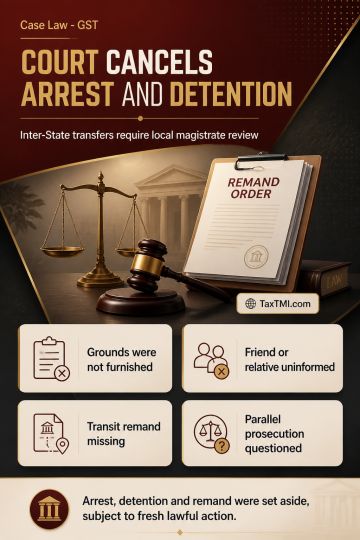
Arrest safeguards and transit remand requirements invalidated detention following inter-State transfer without communicated grounds or magistrate auth...
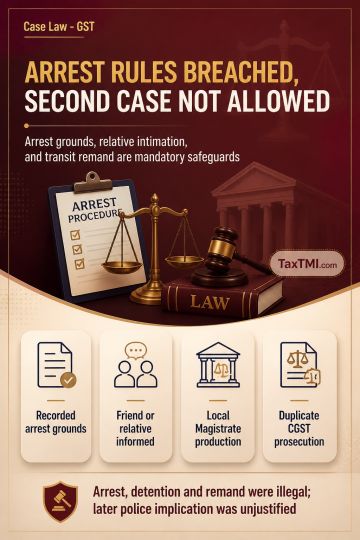
Arrest safeguards require disclosed grounds, relative intimation and transit remand, while duplicate prosecution under the CGST framework is unsustain...
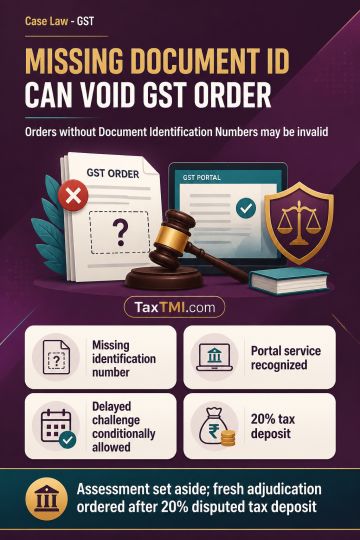
Document Identification Number defects can invalidate GST assessments, with delayed challenges entertained conditionally where patent irregularities e...
Windmill commissioning evidence supported higher depreciation where grid connection and electricity generation proved operational use before the relev...
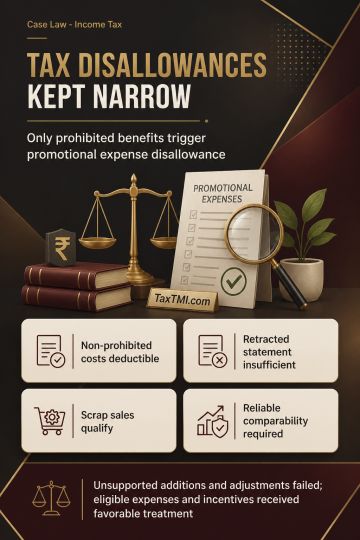
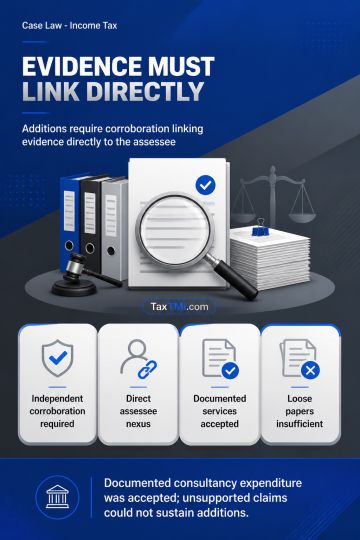
Pharmaceutical promotion and transfer-pricing comparability principles limited disallowances, while uncorroborated search allegations and unsupported ...
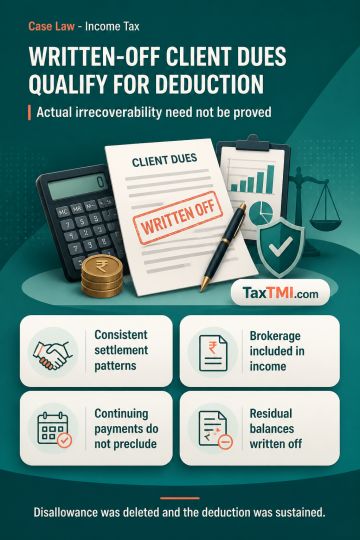
Business expenditure substantiation supports scrap credits, statutory payments and expense claims, while depreciation requires proof of actual busines...
Revision under Section 263 was sustained because the appellate merger doctrine applied only to matters actually considered by the CIT(A), and the separate issue of apportioning common Head Office expenses for the Section 80-IA deduction had not been examined. The Court held that transfer pricing proceedings under Section 92CA addressed arm's length price, not the full computation of eligible profits, so the Assessing Officer retained a duty to verify overhead allocation. It also held that a plausible view requires actual inquiry, and the absence of inquiry made the assessment erroneous and prejudicial. For the abated search year, the absence of seized material did not bar scrutiny, and the appeals were dismissed.
Revision under Section 263 was sustained because the appellate merger doctrine applied only to matters actually considered by the CIT(A), and the separate issue of apportioning common Head Office expenses for the Section 80-IA deduction had not been examined. The Court held that transfer pricing proceedings under Section 92CA addressed arm's length price, not the full computation of eligible profits, so the Assessing Officer retained a duty to verify overhead allocation. It also held that a plausible view requires actual inquiry, and the absence of inquiry made the assessment erroneous and prejudicial. For the abated search year, the absence of seized material did not bar scrutiny, and the appeals were dismissed.
Note: It is a system-generated summary and is for quick reference only.
 TaxTMI
  TaxTMI
 of 4809









 Join Channel


