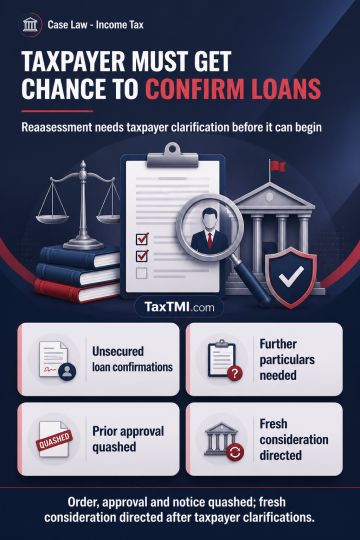
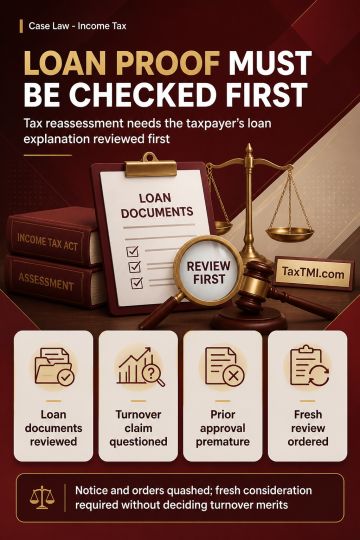
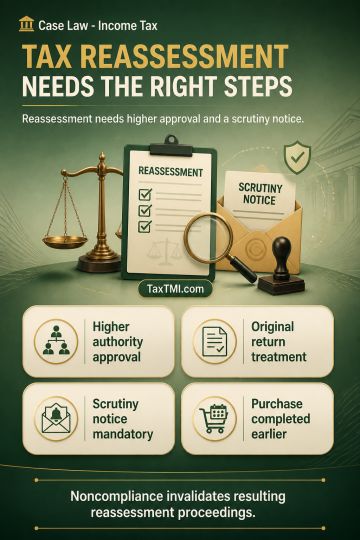
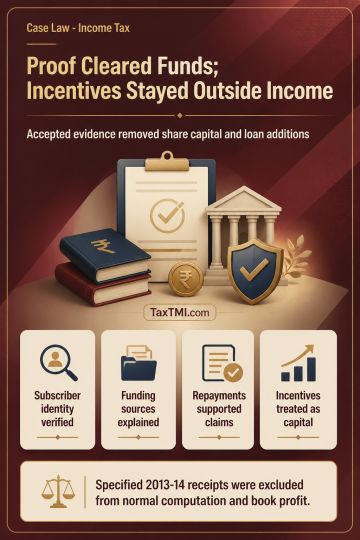
Opportunity to furnish unsecured-loan confirmations is required before reassessment initiation; proceedings require fresh consideration after taxpayer...
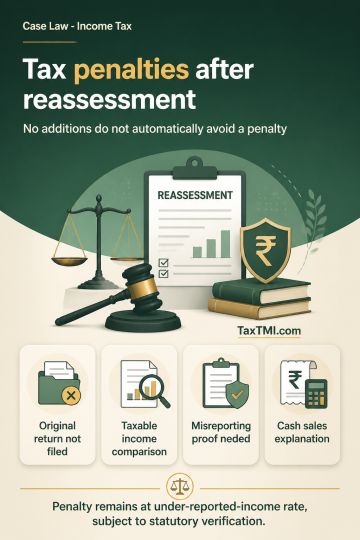
Under-reporting on a first reassessment return attracts penalty, while enhanced misreporting penalty requires proof of a statutory misreporting catego...
A borrower account fraud classification was quashed where the bank relied on a transaction audit report already found insufficient to support undervaluation, preferential or fraudulent transactions, and also on undisclosed Joint Lenders Meeting material. Because those materials were not supplied in the show cause notice or otherwise disclosed, the petitioners had no effective opportunity to respond, and the bank could not cure the defect by later referring to an FIR that had not formed part of the original decision-making record. The Court held that the process violated audi alteram partem and that the impugned order was non-speaking, while reserving liberty to proceed afresh in accordance with law and RBI directions.
A borrower account fraud classification was quashed where the bank relied on a transaction audit report already found insufficient to support undervaluation, preferential or fraudulent transactions, and also on undisclosed Joint Lenders Meeting material. Because those materials were not supplied in the show cause notice or otherwise disclosed, the petitioners had no effective opportunity to respond, and the bank could not cure the defect by later referring to an FIR that had not formed part of the original decision-making record. The Court held that the process violated audi alteram partem and that the impugned order was non-speaking, while reserving liberty to proceed afresh in accordance with law and RBI directions.
Note: It is a system-generated summary and is for quick reference only.
 TaxTMI
  TaxTMI
 of 4915