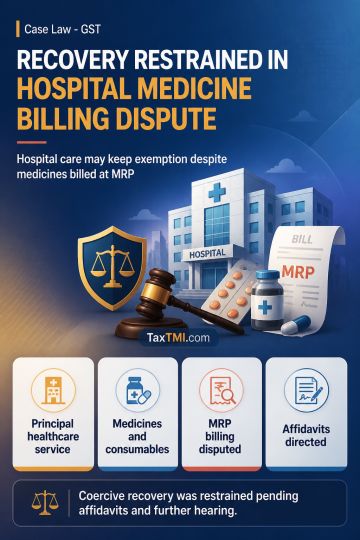
Composite inpatient healthcare supply may retain exemption despite MRP medicine billing, while separate taxable sale characterisation remains disputed...
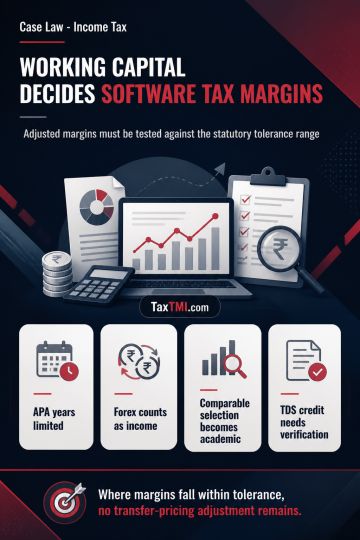
Working-capital adjustment determines whether software-services transfer-pricing margins fall within the statutory tolerance range, eliminating any ad...
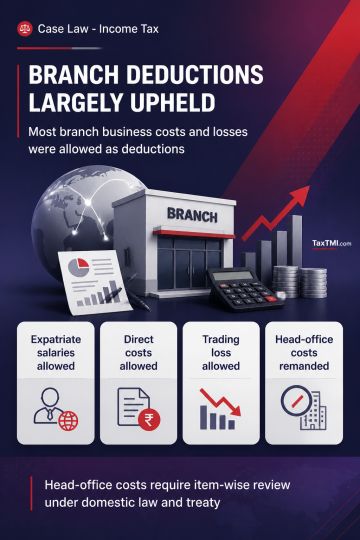
Permanent establishment deductions upheld for expatriate salaries, direct costs and trading losses, while head-office costs require fresh classificati...
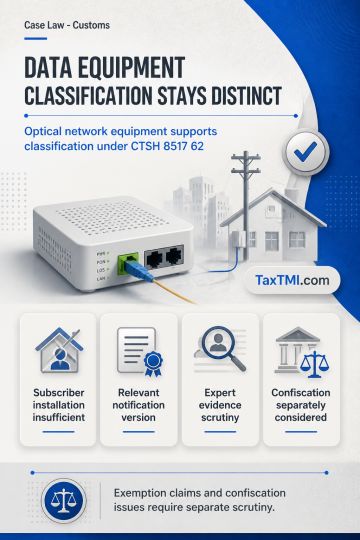
Data transmission equipment classification under CTSH 8517 62 remains distinct from residual classification, with exemption evidence requiring scrutin...
Section 536(2) was construed as making post-petition dispositions voidable rather than automatically void, so the court could validate a bona fide transaction if it benefited the company or creditors. The first transaction was validated because the applicant showed no knowledge of the winding-up petition despite due diligence, paid above market value, used the proceeds to discharge creditors, and no fraud, taint, or undervaluation was proved. Alleged statutory dues did not defeat validation on the material before the court. The second transaction, being a private inter se transfer, was held outside the scope of the application and was not adjudicated.
Section 536(2) was construed as making post-petition dispositions voidable rather than automatically void, so the court could validate a bona fide transaction if it benefited the company or creditors. The first transaction was validated because the applicant showed no knowledge of the winding-up petition despite due diligence, paid above market value, used the proceeds to discharge creditors, and no fraud, taint, or undervaluation was proved. Alleged statutory dues did not defeat validation on the material before the court. The second transaction, being a private inter se transfer, was held outside the scope of the application and was not adjudicated.
Note: It is a system-generated summary and is for quick reference only.
 TaxTMI
  TaxTMI
 of 4811





 Join Channel