Approved resolution plans extinguish unsubmitted pre-approval tax claims, preventing later recovery outside the insolvency process and preserving a cl...
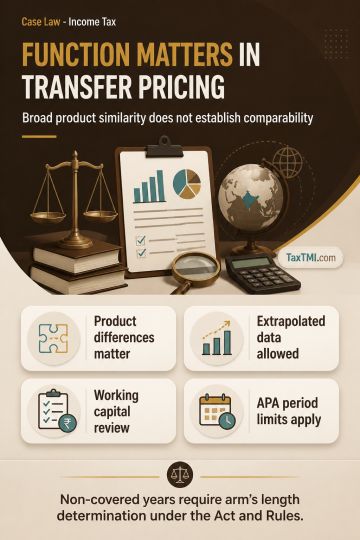
Transfer pricing comparability requires functional alignment and permits working capital adjustment, while APA margins cannot govern non-covered years...
Treaty benefit, goodwill depreciation and hedging costs: export commission disallowed, while key business deductions and depreciation claims succeeded...
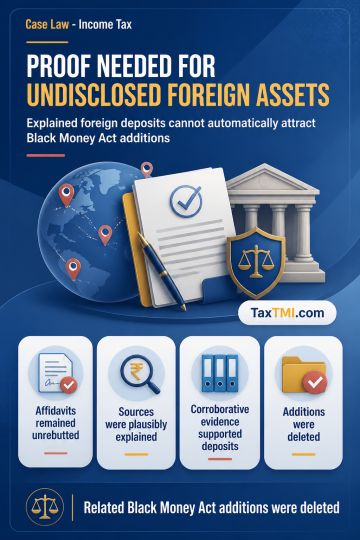
Undisclosed foreign asset classification requires an unexplained source; unrebutted affidavits and corroborative evidence defeated the Black Money Act...
Section 536(2) was construed as making post-petition dispositions voidable rather than automatically void, so the court could validate a bona fide transaction if it benefited the company or creditors. The first transaction was validated because the applicant showed no knowledge of the winding-up petition despite due diligence, paid above market value, used the proceeds to discharge creditors, and no fraud, taint, or undervaluation was proved. Alleged statutory dues did not defeat validation on the material before the court. The second transaction, being a private inter se transfer, was held outside the scope of the application and was not adjudicated.
Section 536(2) was construed as making post-petition dispositions voidable rather than automatically void, so the court could validate a bona fide transaction if it benefited the company or creditors. The first transaction was validated because the applicant showed no knowledge of the winding-up petition despite due diligence, paid above market value, used the proceeds to discharge creditors, and no fraud, taint, or undervaluation was proved. Alleged statutory dues did not defeat validation on the material before the court. The second transaction, being a private inter se transfer, was held outside the scope of the application and was not adjudicated.
Note: It is a system-generated summary and is for quick reference only.
 TaxTMI
  TaxTMI
 of 4811








 Join Channel


