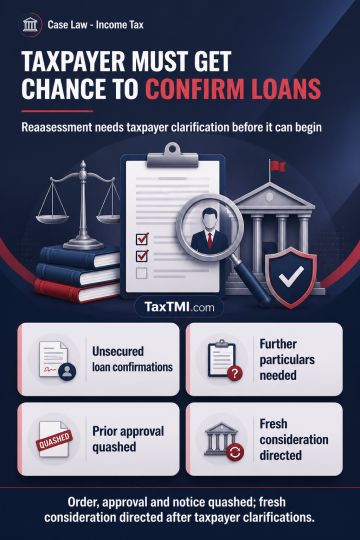
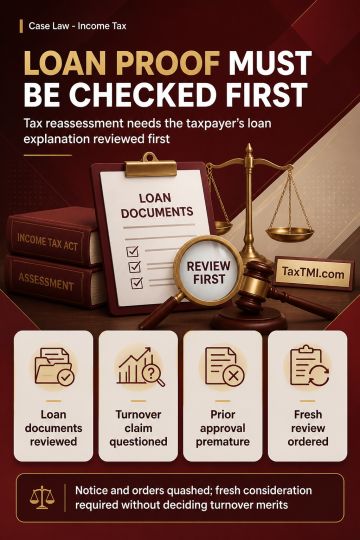
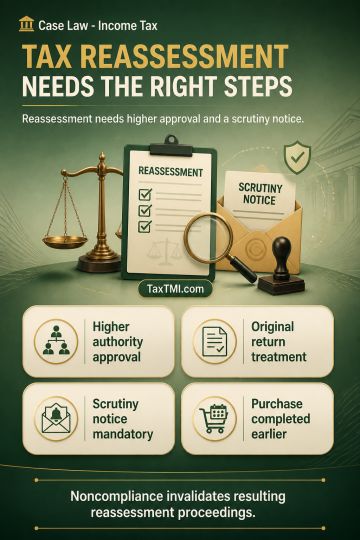
Opportunity to furnish unsecured-loan confirmations is required before reassessment initiation; proceedings require fresh consideration after taxpayer...
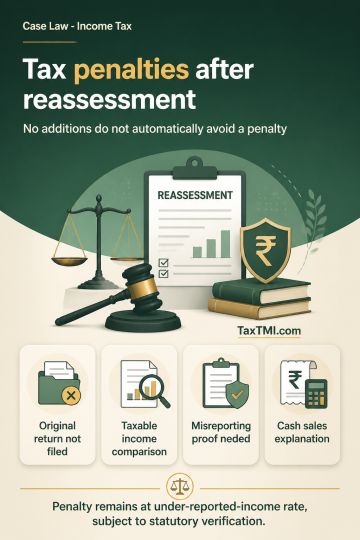
Under-reporting on a first reassessment return attracts penalty, while enhanced misreporting penalty requires proof of a statutory misreporting catego...
The Tribunal upheld disallowance of foreign commission expenditure under section 37(1) because the assessee failed to prove that the claim was wholly and exclusively for business: the agreement was not shown to be genuine, the foreign recipient denied services and receipt, and no primary evidence such as bills, vouchers, or contemporaneous correspondence was produced. However, it accepted limited relief against double taxation where the corresponding liability had later been written back and offered to tax in a subsequent year; to that extent, the earlier-year additions were reduced. The original expenditure claim remained non-genuine, but the same income could not be taxed twice in the assessee's hands.
The Tribunal upheld disallowance of foreign commission expenditure under section 37(1) because the assessee failed to prove that the claim was wholly and exclusively for business: the agreement was not shown to be genuine, the foreign recipient denied services and receipt, and no primary evidence such as bills, vouchers, or contemporaneous correspondence was produced. However, it accepted limited relief against double taxation where the corresponding liability had later been written back and offered to tax in a subsequent year; to that extent, the earlier-year additions were reduced. The original expenditure claim remained non-genuine, but the same income could not be taxed twice in the assessee's hands.
Note: It is a system-generated summary and is for quick reference only.
 TaxTMI
  TaxTMI
 of 4916