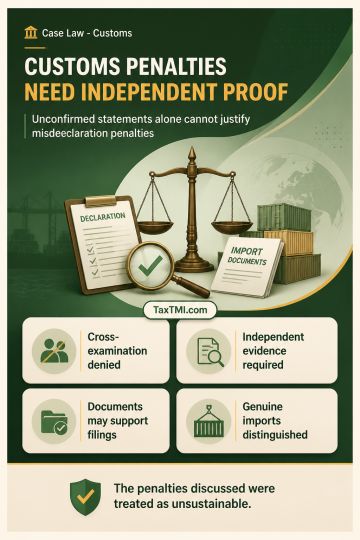
Cross-examination rights and corroborated evidence limit customs penalties for misdeclaration in genuine import transactions involving documented clea...
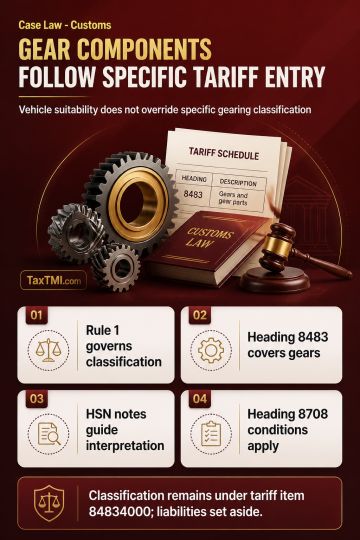
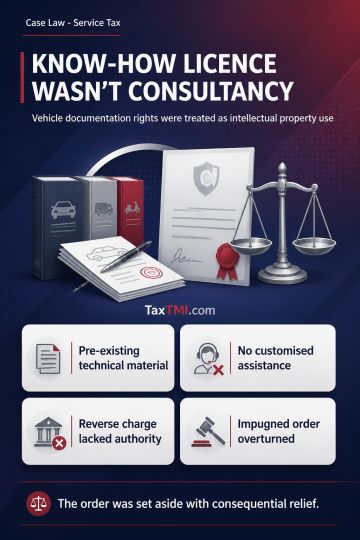
Tariff classification of vehicle gear components follows the specific gearing entry, displacing motor-vehicle parts classification and related liabili...
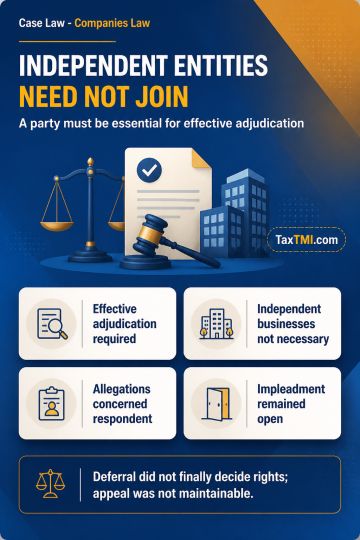
Necessary-party requirements limit impleadment of independent entities, while deferred consideration does not create an appealable adverse determinati...
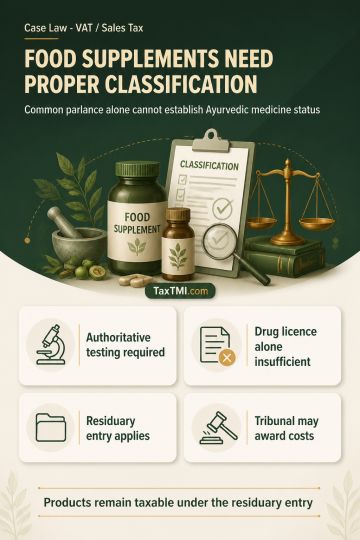
Food supplement classification requires common parlance and authoritative tests, preventing treatment as proprietary Ayurvedic medicines without suppo...
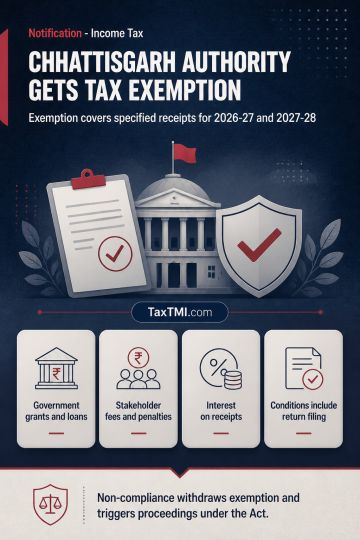
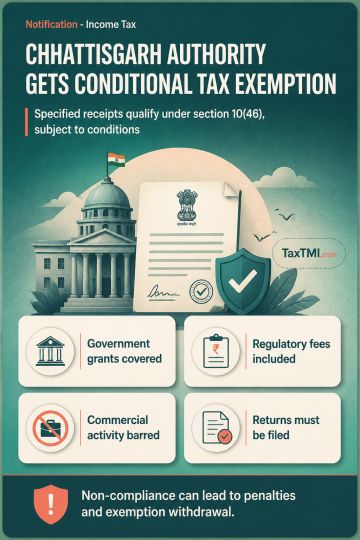
Specified regulatory authority income receives conditional tax exemption, subject to non-commercial activity, unchanged income character, and return f...
Tax exemption for regulatory authority income applies retrospectively, subject to non-commercial activity, unchanged income sources, and return-filing...
A pre-existing dispute barred admission of the Section 9 operational debt claim where contemporaneous grievances over water supply, central air-conditioning, maintenance, and interference with use of the premises had been raised before the demand notice and were supported by proceedings seeking restoration of services and police assistance. Applying the Mobilox standard, the Tribunal treated the defence as a plausible contention requiring further investigation rather than a sham or moonshine defence. It therefore held that liability for charges claimed after the corporate debtor entered CIRP was genuinely disputed, affirmed rejection of the Section 9 petition, and dismissed the appeal.
A pre-existing dispute barred admission of the Section 9 operational debt claim where contemporaneous grievances over water supply, central air-conditioning, maintenance, and interference with use of the premises had been raised before the demand notice and were supported by proceedings seeking restoration of services and police assistance. Applying the Mobilox standard, the Tribunal treated the defence as a plausible contention requiring further investigation rather than a sham or moonshine defence. It therefore held that liability for charges claimed after the corporate debtor entered CIRP was genuinely disputed, affirmed rejection of the Section 9 petition, and dismissed the appeal.
Note: It is a system-generated summary and is for quick reference only.
 TaxTMI
  TaxTMI
 of 4813





 Join Channel