Threshold exemption excludes exempt services, while stamp-paper purchases avoid reverse charge; consequential service tax penalties were also set asid...
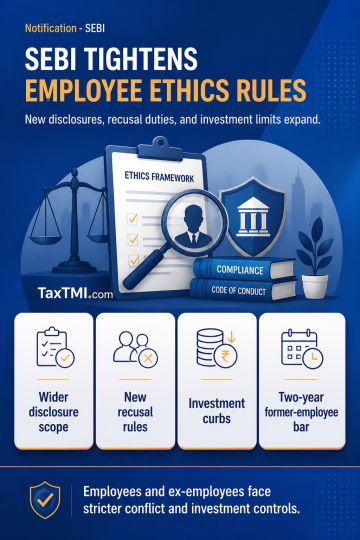
Employee conflict disclosures and investment restrictions expand with new recusal duties, post-employment limits, and compliance reporting requirement...
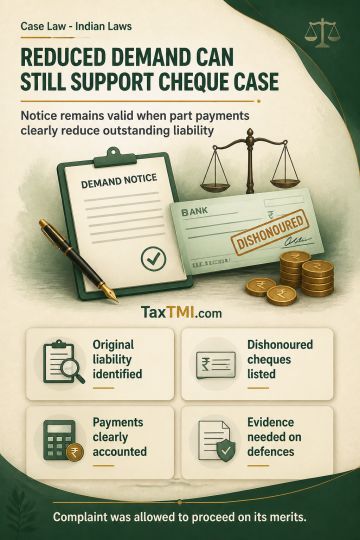
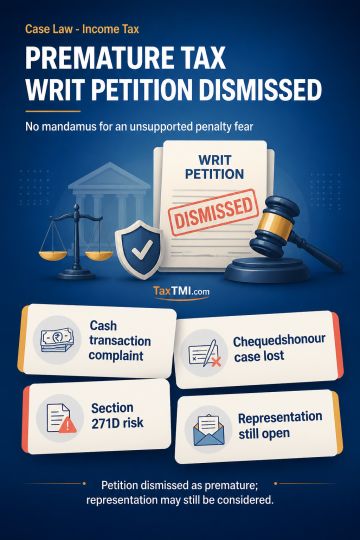
The High Court held that the statutory presumption under the Negotiable Instruments Act applied once bank records proved presentation and dishonour of the cheque, and the demand notice was admittedly received. The absence of a reverse signature, deposit slip, or a dishonour entry in the account statement did not discredit the bank evidence, particularly where the branch merger and CBS procedure explained the transaction trail. The accused failed to rebut the presumption on a preponderance of probabilities, so the existence of debt and liability was proved. The Court also held that revisional jurisdiction does not permit reappreciation of evidence absent perversity, jurisdictional error, or failure of justice, and therefore upheld the concurrent conviction and sentence.
The High Court held that the statutory presumption under the Negotiable Instruments Act applied once bank records proved presentation and dishonour of the cheque, and the demand notice was admittedly received. The absence of a reverse signature, deposit slip, or a dishonour entry in the account statement did not discredit the bank evidence, particularly where the branch merger and CBS procedure explained the transaction trail. The accused failed to rebut the presumption on a preponderance of probabilities, so the existence of debt and liability was proved. The Court also held that revisional jurisdiction does not permit reappreciation of evidence absent perversity, jurisdictional error, or failure of justice, and therefore upheld the concurrent conviction and sentence.
Note: It is a system-generated summary and is for quick reference only.
 TaxTMI
  TaxTMI
 of 4809












 Join Channel


