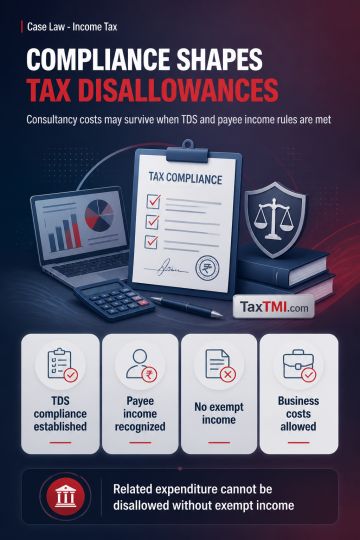
Tax deduction compliance and payee income recognition govern consultancy disallowance, while no exempt income prevents related expenditure disallowanc...
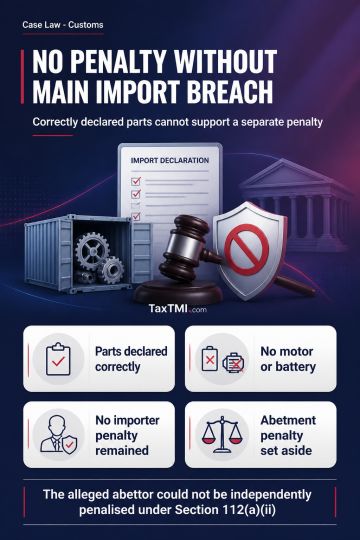
Derivative abetment liability fails when correctly declared imported components establish no underlying improper importation by the principal importer...
Under section 119(2)(b), delay in filing a return for refund must be examined on reasonable cause, genuine hardship, and any indication of tax evasion. The petitioner supported delayed filing with medical records showing illness of the working partner, and the Court held that this explanation required proper consideration as genuine hardship. Because the return was filed only to claim TDS refund and the treatment documents were not considered, the rejection was found mechanical and erroneous. The condonation refusal was set aside, and the return was directed to be treated as filed within time.
Under section 119(2)(b), delay in filing a return for refund must be examined on reasonable cause, genuine hardship, and any indication of tax evasion. The petitioner supported delayed filing with medical records showing illness of the working partner, and the Court held that this explanation required proper consideration as genuine hardship. Because the return was filed only to claim TDS refund and the treatment documents were not considered, the rejection was found mechanical and erroneous. The condonation refusal was set aside, and the return was directed to be treated as filed within time.
Note: It is a system-generated summary and is for quick reference only.
 TaxTMI
  TaxTMI
 of 4817




 Join Channel


