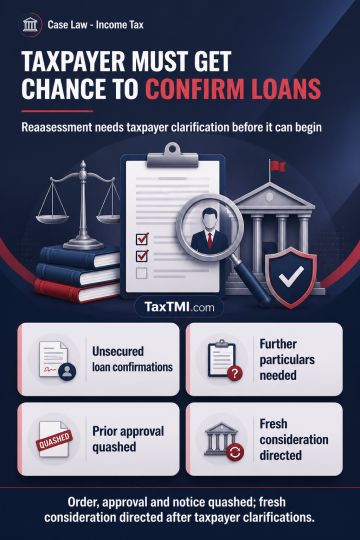
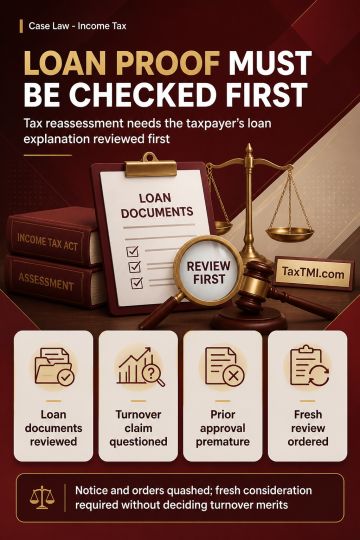
Opportunity to furnish unsecured-loan confirmations is required before reassessment initiation; proceedings require fresh consideration after taxpayer...
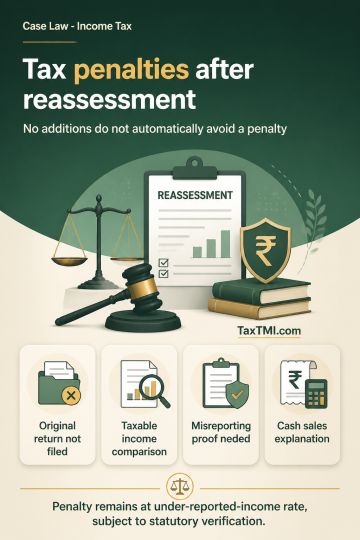
Under-reporting on a first reassessment return attracts penalty, while enhanced misreporting penalty requires proof of a statutory misreporting catego...
ITAT held that section 56(2)(viib) applies only where the company receives consideration for issue of shares in the relevant previous year. Here, the consideration had already been received in an earlier year on issue of CCDs, and the impugned year involved only conversion of that existing liability into equity share capital and share premium, so the charging condition was not satisfied and the addition was deleted. On valuation under Rule 11U, the Tribunal held that the relevant balance sheet is the one drawn up on the valuation date, or the immediately preceding balance sheet if none is drawn up on that date. Since the valuation date linked to receipt of consideration was the earlier year, the audited balance sheet as at 31.03.2016 was correctly used.
ITAT held that section 56(2)(viib) applies only where the company receives consideration for issue of shares in the relevant previous year. Here, the consideration had already been received in an earlier year on issue of CCDs, and the impugned year involved only conversion of that existing liability into equity share capital and share premium, so the charging condition was not satisfied and the addition was deleted. On valuation under Rule 11U, the Tribunal held that the relevant balance sheet is the one drawn up on the valuation date, or the immediately preceding balance sheet if none is drawn up on that date. Since the valuation date linked to receipt of consideration was the earlier year, the audited balance sheet as at 31.03.2016 was correctly used.
Note: It is a system-generated summary and is for quick reference only.
 TaxTMI
  TaxTMI
 of 4915