Vicarious liability for dishonoured company cheques may extend to non-signatory directors where complaints contain foundational responsibility avermen...
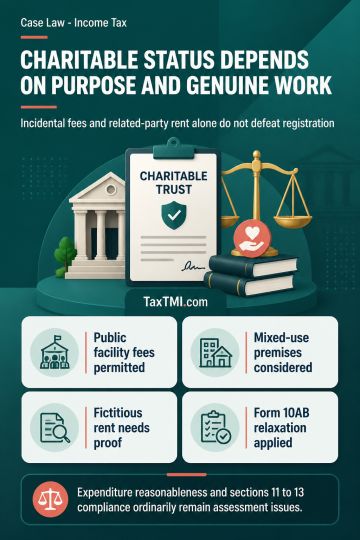
Charitable registration turns on predominant purpose and genuine activities, while incidental fees and related-party rent require supporting adverse m...
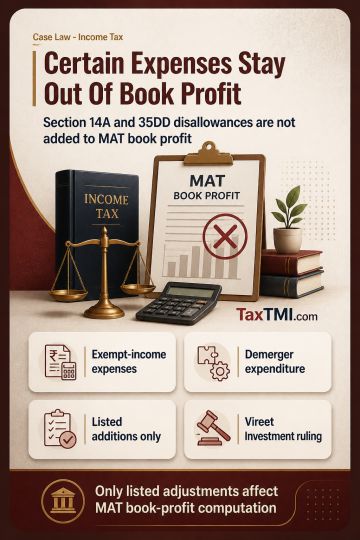
MAT book-profit adjustments exclude disallowances for exempt-income expenditure and demerger expenditure unless expressly listed under the statutory c...
Deduction under section 10A was allowed as an alternate claim even though the return had originally claimed section 10B, because Form 56F was furnished during assessment and the same units had already been allowed section 10A relief in earlier scrutiny years; in the absence of any material showing those earlier allowances were or revised, the Revenue could not deny eligibility in the later year. The Tribunal also held that the assessee failed to show that the assessment order was without jurisdiction, while the jurisdiction order under section 120 was on record, so the jurisdictional objection had no merit. The Revenue's appeal was rejected and the cross-objection was dismissed.
Deduction under section 10A was allowed as an alternate claim even though the return had originally claimed section 10B, because Form 56F was furnished during assessment and the same units had already been allowed section 10A relief in earlier scrutiny years; in the absence of any material showing those earlier allowances were or revised, the Revenue could not deny eligibility in the later year. The Tribunal also held that the assessee failed to show that the assessment order was without jurisdiction, while the jurisdiction order under section 120 was on record, so the jurisdictional objection had no merit. The Revenue's appeal was rejected and the cross-objection was dismissed.
Note: It is a system-generated summary and is for quick reference only.
 TaxTMI
  TaxTMI
 of 4817





 Join Channel


