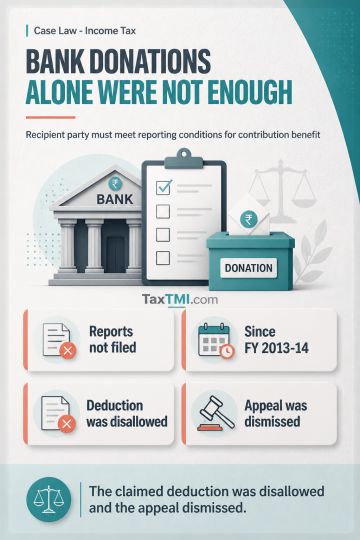
Political contribution deductions require recipient party compliance with contribution-reporting conditions; banking-channel donations alone do not qu...
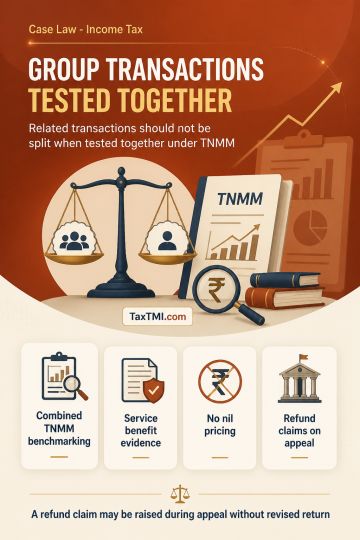
Aggregation under TNMM prevents selective testing of intra-group services without comparable uncontrolled transactions, while appellate additional cla...
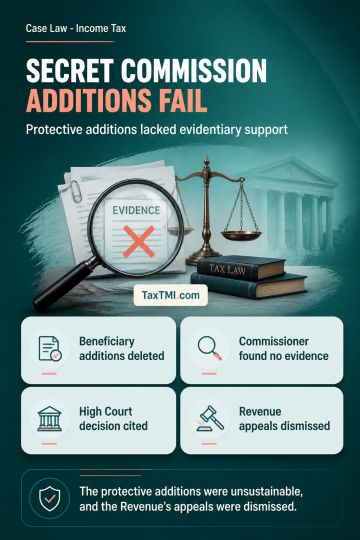
Protective assessment cannot duplicate identical receipts under competing characterisations; remote services did not establish a taxable permanent est...
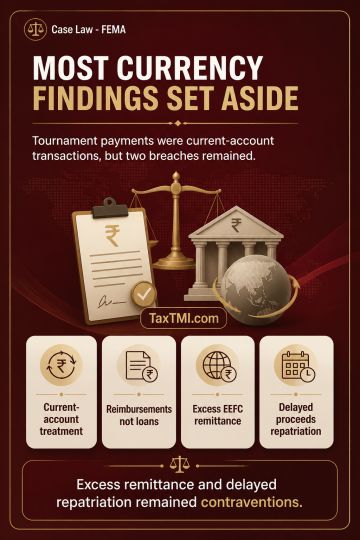
Current account treatment of overseas tournament services removed most FEMA findings, but excess EEFC remittance and delayed repatriation remained bre...
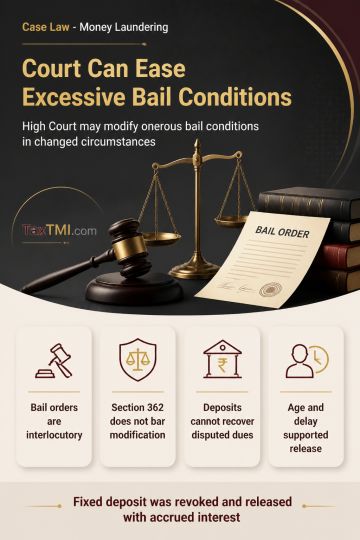
Modification of bail conditions remains available through inherent jurisdiction where onerous deposits undermine justice and cannot recover disputed d...
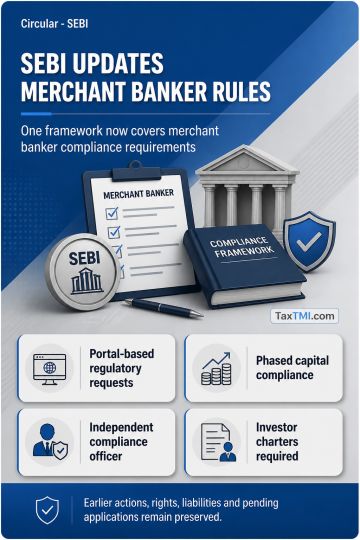
Merchant banker regulation consolidates registration, governance, capital, reporting, outsourcing and investor-protection requirements under an update...
Page of 4813
Press 'Enter' after typing page number.
901 to 920 of 96257 Results
❮
❯
❯❯
0 / 200
Expand Note
Add to Folder
No Folders have been created
+
Are you sure you want to delete "My most important" ?
A High Court considered adjustment of refunds against disputed tax demand during pending appeals. It declined to interfere with an earlier refund adjustment because the challenge was brought after more than three years without explanation, treating delay as fatal to that claim. It held that Section 245 requires prior intimation before any refund adjustment so the assessee has a real opportunity to object; adjusting the refund the next day, despite a 21-day response window, violated the statute and natural justice. It also held that filing an appeal does not create an automatic stay, but recovery through refund adjustment should normally respect administrative guidance limiting recovery beyond 20% without special justification. The Court ordered refund of the excess over 20% without interest, subject to the pending appeal.
A High Court considered adjustment of refunds against disputed tax demand during pending appeals. It declined to interfere with an earlier refund adjustment because the challenge was brought after more than three years without explanation, treating delay as fatal to that claim. It held that Section 245 requires prior intimation before any refund adjustment so the assessee has a real opportunity to object; adjusting the refund the next day, despite a 21-day response window, violated the statute and natural justice. It also held that filing an appeal does not create an automatic stay, but recovery through refund adjustment should normally respect administrative guidance limiting recovery beyond 20% without special justification. The Court ordered refund of the excess over 20% without interest, subject to the pending appeal.
Note: It is a system-generated summary and is for quick reference only.
 TaxTMI
  TaxTMI
 of 4813












 Join Channel