Opportunity to furnish unsecured-loan confirmations is required before reassessment initiation; proceedings require fresh consideration after taxpayer...
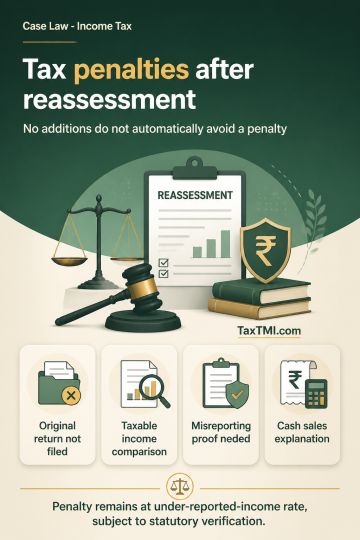
Under-reporting on a first reassessment return attracts penalty, while enhanced misreporting penalty requires proof of a statutory misreporting catego...
Transfer pricing of interest on external commercial borrowings must be benchmarked on the correct factual and contractual terms for each year. For ECB1, the lender's assignment, change in jurisdiction, shift from floating to fixed interest for part of the year, and extension of maturity materially affected comparability, so the ALP issue was remitted for fresh determination. The RBI all-in-cost ceiling was held to be only a regulatory cap and a corroborative factor, not a substitute for ALP determination under transfer pricing rules. For ECB2, the Tribunal found incorrect use of floating-rate comparables and failure to consider the assessee's Bloomberg-based study, so the ALP was also set aside for fresh benchmarking.
Transfer pricing of interest on external commercial borrowings must be benchmarked on the correct factual and contractual terms for each year. For ECB1, the lender's assignment, change in jurisdiction, shift from floating to fixed interest for part of the year, and extension of maturity materially affected comparability, so the ALP issue was remitted for fresh determination. The RBI all-in-cost ceiling was held to be only a regulatory cap and a corroborative factor, not a substitute for ALP determination under transfer pricing rules. For ECB2, the Tribunal found incorrect use of floating-rate comparables and failure to consider the assessee's Bloomberg-based study, so the ALP was also set aside for fresh benchmarking.
Note: It is a system-generated summary and is for quick reference only.
 TaxTMI
  TaxTMI
 of 4916