Dispute Resolution Panel objections must reach both prescribed forums; otherwise assessment may proceed and statutory appeal remains the proper remedy...
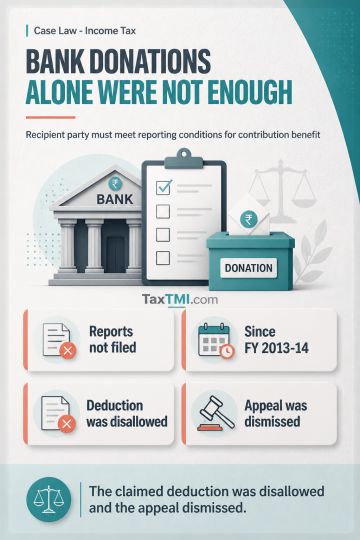
Political contribution deductions require recipient party compliance with contribution-reporting conditions; banking-channel donations alone do not qu...
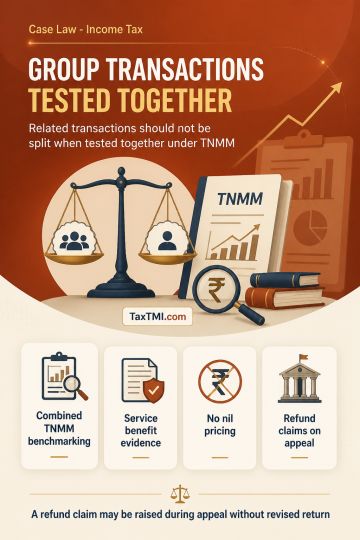
Aggregation under TNMM prevents selective testing of intra-group services without comparable uncontrolled transactions, while appellate additional cla...
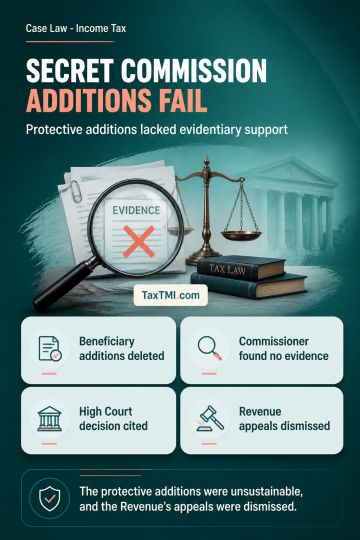
Protective assessment cannot duplicate identical receipts under competing characterisations; remote services did not establish a taxable permanent est...
Current account treatment of overseas tournament services removed most FEMA findings, but excess EEFC remittance and delayed repatriation remained bre...
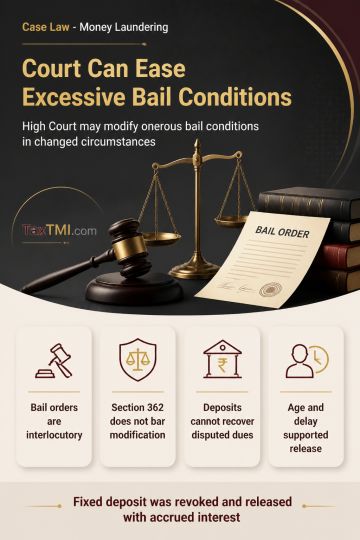
Modification of bail conditions remains available through inherent jurisdiction where onerous deposits undermine justice and cannot recover disputed d...
Page of 4814
Press 'Enter' after typing page number.
901 to 920 of 96262 Results
❮
❯
❯❯
0 / 200
Expand Note
Add to Folder
No Folders have been created
+
Are you sure you want to delete "My most important" ?
Sections 397, 398 and 399 were construed in an equitable and remedial manner, so the expression "member" was not confined to formal entry in the register of members under Section 41(2). The SC accepted that Section 2(27) provides a wider membership framework and that strict insistence on register entry would defeat protection against oppression and mismanagement. On the facts, the company had consistently acknowledged the respondent's proprietary stake through correspondence, conciliation material, his appointment as Managing Director, rebranding linked to his concern, and acceptance of his investment. Those circumstances justified treating him as a member for the limited purpose of invoking the statutory remedy, and the appeals were dismissed.
Sections 397, 398 and 399 were construed in an equitable and remedial manner, so the expression "member" was not confined to formal entry in the register of members under Section 41(2). The SC accepted that Section 2(27) provides a wider membership framework and that strict insistence on register entry would defeat protection against oppression and mismanagement. On the facts, the company had consistently acknowledged the respondent's proprietary stake through correspondence, conciliation material, his appointment as Managing Director, rebranding linked to his concern, and acceptance of his investment. Those circumstances justified treating him as a member for the limited purpose of invoking the statutory remedy, and the appeals were dismissed.
Note: It is a system-generated summary and is for quick reference only.
 TaxTMI
  TaxTMI
 of 4814













 Join Channel


