Additional evidence in transfer pricing dispute leads to fresh examination, while tax deductions, TDS credit, fee and refund interest require verifica...
Category II AIF pass-through taxation preserves non-business income character; investment receipts cannot be reclassified without applying recognised ...
Mutual fund maturity rules require proper rollover, redemption, disclosure, and due diligence; investor gains cannot excuse regulatory breaches or pen...
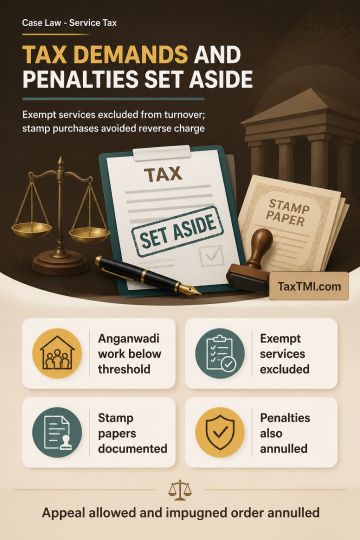
Threshold exemption excludes exempt services, while stamp-paper purchases avoid reverse charge; consequential service tax penalties were also set asid...
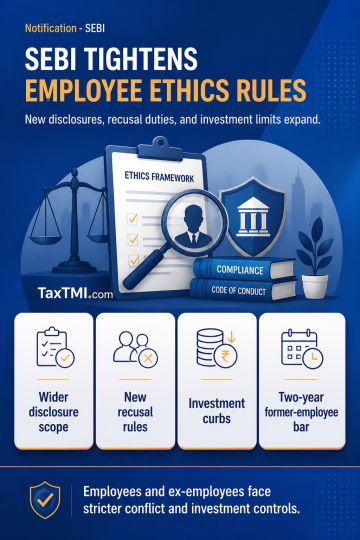
Employee conflict disclosures and investment restrictions expand with new recusal duties, post-employment limits, and compliance reporting requirement...
Unpaid supply dues arising under a separate inter se agreement between joint venture partners constituted operational debt, because the contractual documents specifically allocated the supply obligation to the respondent and made payment contingent on receipt from OPTCL; the corporate debtor's acknowledgment of the balance payable confirmed liability, so admission of the Section 9 application was justified. The Section 10A objection failed because no factual foundation was laid below and the pleaded default date fell outside the protected period, making the statutory bar inapplicable. No pre-existing dispute was shown, as the correspondence relied on reflected acknowledgment of liability rather than a genuine dispute.
Unpaid supply dues arising under a separate inter se agreement between joint venture partners constituted operational debt, because the contractual documents specifically allocated the supply obligation to the respondent and made payment contingent on receipt from OPTCL; the corporate debtor's acknowledgment of the balance payable confirmed liability, so admission of the Section 9 application was justified. The Section 10A objection failed because no factual foundation was laid below and the pleaded default date fell outside the protected period, making the statutory bar inapplicable. No pre-existing dispute was shown, as the correspondence relied on reflected acknowledgment of liability rather than a genuine dispute.
Note: It is a system-generated summary and is for quick reference only.
 TaxTMI
  TaxTMI
 of 4811














 Join Channel


