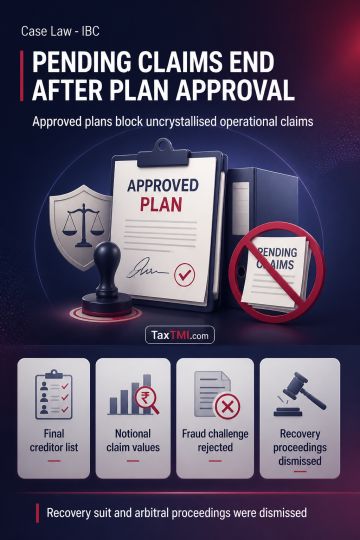
Clean slate principle extinguishes uncrystallised operational claims and bars continuation of pending recovery and arbitral proceedings after plan app...
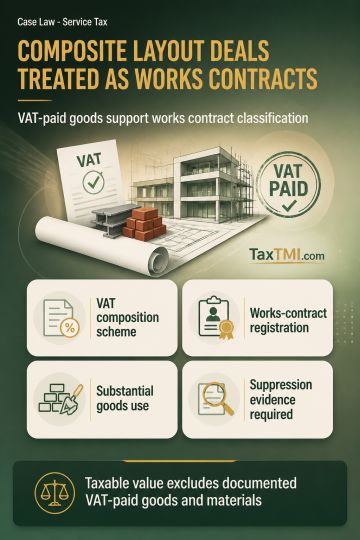
Works contract classification governs composite layout-development contracts where VAT-paid goods are transferred alongside construction and infrastru...
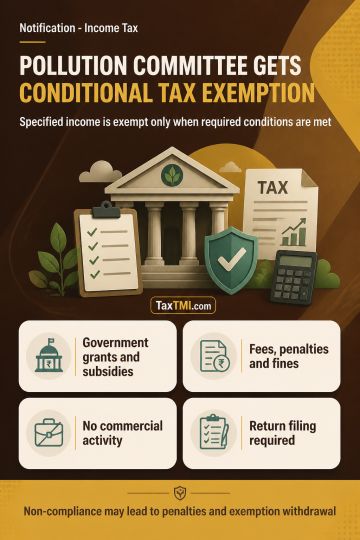
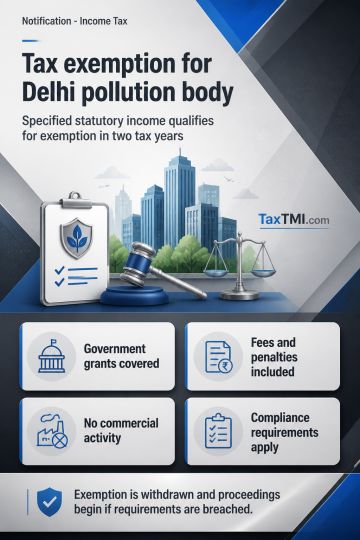
Specified income tax exemption for pollution control body remains conditional on non-commercial activity, unchanged income character, and return filin...
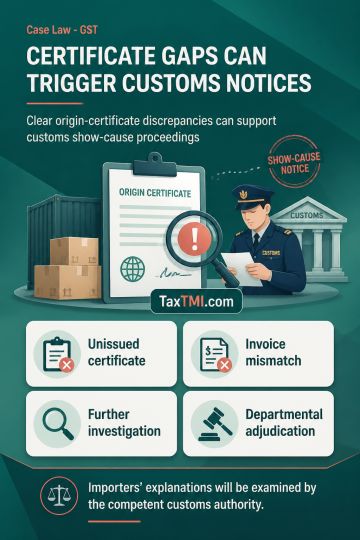
Jurisdictional facts in certificate-of-origin discrepancies can support customs show-cause proceedings, leaving factual explanations for departmental ...
Section 138 of the NI Act is not confined to cheques issued for the drawer's own personal liability; a cheque drawn towards a legally enforceable liability of another person may also attract penal consequences on dishonour. The Court therefore rejected the objection based on absence of privity and the claim that the petitioner was not a party to the underlying consent award, holding that the complaint could proceed on a prima facie basis. Challenges that no amount was due, that the cheque was a gift, or that it formed part of a without-prejudice settlement raised disputed factual defences that could not be resolved at the process stage and had to be tested at trial.
Section 138 of the NI Act is not confined to cheques issued for the drawer's own personal liability; a cheque drawn towards a legally enforceable liability of another person may also attract penal consequences on dishonour. The Court therefore rejected the objection based on absence of privity and the claim that the petitioner was not a party to the underlying consent award, holding that the complaint could proceed on a prima facie basis. Challenges that no amount was due, that the cheque was a gift, or that it formed part of a without-prejudice settlement raised disputed factual defences that could not be resolved at the process stage and had to be tested at trial.
Note: It is a system-generated summary and is for quick reference only.
 TaxTMI
  TaxTMI
 of 4809




 Join Channel