Specialized Investment Fund distribution now requires dedicated certification, while transitional recognition preserves existing qualified distributor...
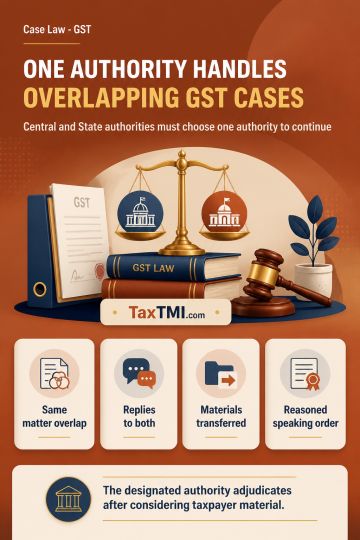
Overlapping GST proceedings require Central and State authorities to designate one competent authority for coordinated adjudication of the same matter...
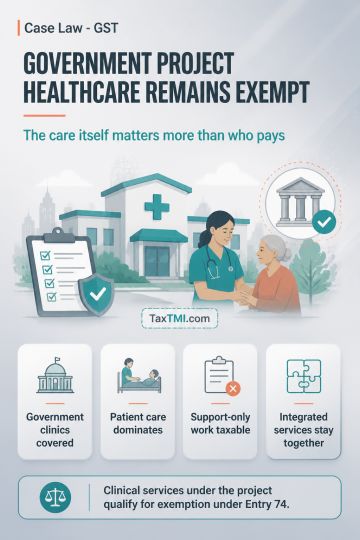
Composite healthcare supplies retain exemption when patient care is the contract's essential character, despite payment through an implementing agency...
Section 138 of the NI Act is not confined to cheques issued for the drawer's own personal liability; a cheque drawn towards a legally enforceable liability of another person may also attract penal consequences on dishonour. The Court therefore rejected the objection based on absence of privity and the claim that the petitioner was not a party to the underlying consent award, holding that the complaint could proceed on a prima facie basis. Challenges that no amount was due, that the cheque was a gift, or that it formed part of a without-prejudice settlement raised disputed factual defences that could not be resolved at the process stage and had to be tested at trial.
Section 138 of the NI Act is not confined to cheques issued for the drawer's own personal liability; a cheque drawn towards a legally enforceable liability of another person may also attract penal consequences on dishonour. The Court therefore rejected the objection based on absence of privity and the claim that the petitioner was not a party to the underlying consent award, holding that the complaint could proceed on a prima facie basis. Challenges that no amount was due, that the cheque was a gift, or that it formed part of a without-prejudice settlement raised disputed factual defences that could not be resolved at the process stage and had to be tested at trial.
Note: It is a system-generated summary and is for quick reference only.
 TaxTMI
  TaxTMI
 of 4809






 Join Channel


