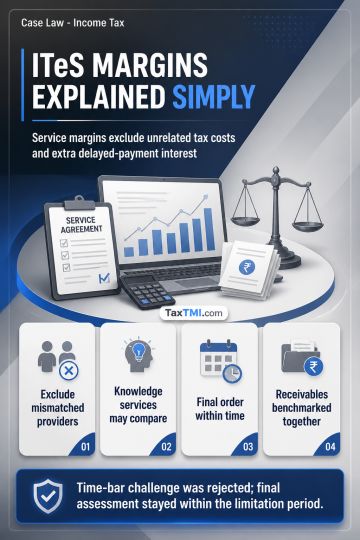
Transfer-pricing treatment of ITeS margins excludes pass-through tax recoveries and separate delayed-receivables interest after working-capital adjust...
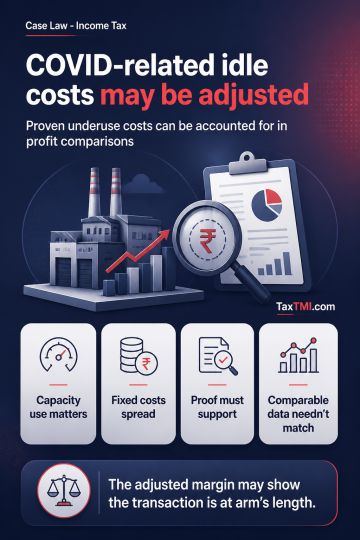
Capacity-utilisation adjustments under TNMM can neutralise substantiated COVID-related idle costs where underutilisation materially affects profitabil...
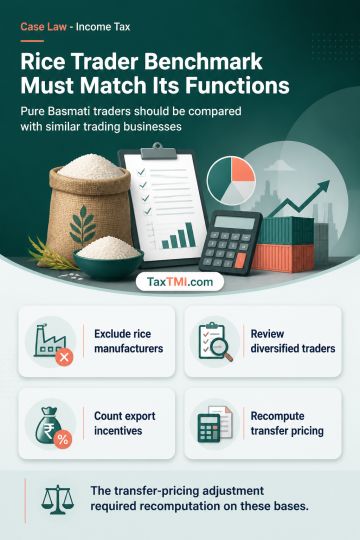
TNMM functional comparability requires excluding rice manufacturers from a pure Basmati rice trader's benchmark and recognising operating export recei...
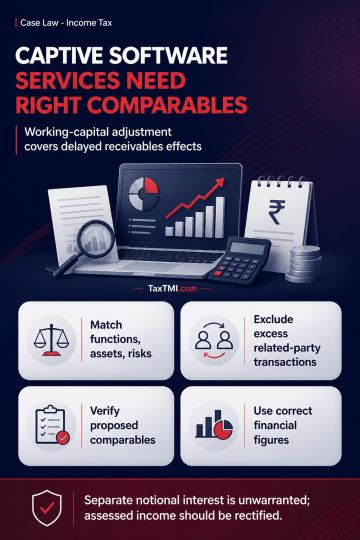
Working-capital adjustment subsumes delayed-receivable effects in TNMM benchmarking of captive software-development services, avoiding separate notion...
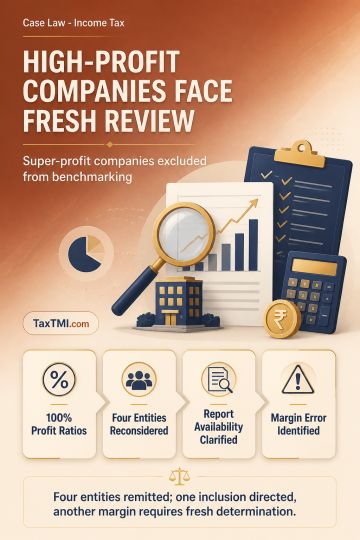
Transfer-pricing comparability requires exclusion of financially illogical super-profit comparables and correction of unsupported annual-report and ma...
Charitable character assessment preserves Section 80G approval despite inclusive spiritual teachings and incidental religious expenditure within the s...
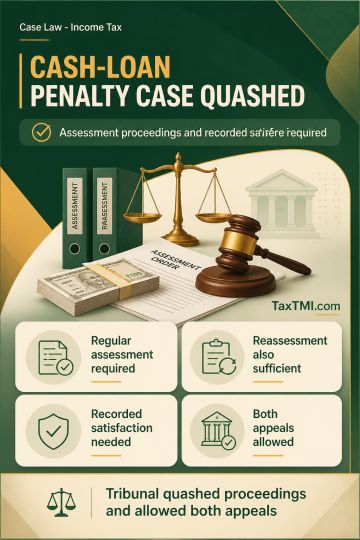
Penalty proceedings for cash-loan acceptance require assessment proceedings and recorded Assessing Officer satisfaction; absent these, the proceedings...
Functional comparability governs software-service benchmarking: dissimilar companies are excluded, while related-party filters, margins and working-ca...
Reassessment based on Investigation Wing information was sustained where the original return had only been processed under section 143(1), no return was filed in response to notice under section 148, and the recorded reasons showed a live link between identified penny stock transactions and the belief of escapement. The Tribunal held that the assessee could not invoke the procedural objections available after filing a return in response to reopening, and the challenge to jurisdiction failed. On the merits, the section 68 addition on share sale proceeds was deleted because the transactions were disclosed as part of regular share trading business, supported by contract notes, demat and bank records, and no exempt long-term capital gains had been claimed.
Reassessment based on Investigation Wing information was sustained where the original return had only been processed under section 143(1), no return was filed in response to notice under section 148, and the recorded reasons showed a live link between identified penny stock transactions and the belief of escapement. The Tribunal held that the assessee could not invoke the procedural objections available after filing a return in response to reopening, and the challenge to jurisdiction failed. On the merits, the section 68 addition on share sale proceeds was deleted because the transactions were disclosed as part of regular share trading business, supported by contract notes, demat and bank records, and no exempt long-term capital gains had been claimed.
Note: It is a system-generated summary and is for quick reference only.
 TaxTMI
  TaxTMI
 of 4826







 Join Channel


