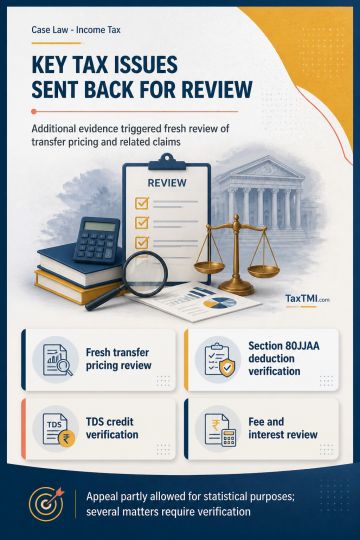
Additional evidence in transfer pricing dispute leads to fresh examination, while tax deductions, TDS credit, fee and refund interest require verifica...
Category II AIF pass-through taxation preserves non-business income character; investment receipts cannot be reclassified without applying recognised ...
Mutual fund maturity rules require proper rollover, redemption, disclosure, and due diligence; investor gains cannot excuse regulatory breaches or pen...
Threshold exemption excludes exempt services, while stamp-paper purchases avoid reverse charge; consequential service tax penalties were also set asid...
Employee conflict disclosures and investment restrictions expand with new recusal duties, post-employment limits, and compliance reporting requirement...
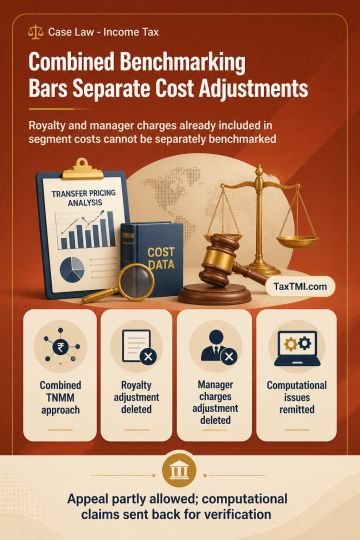
Transfer pricing analysis under External TNMM remained the proper benchmarking method where the earlier remand had already excluded Internal TNMM and limited scrutiny to the comparables selected by the assessee. The text explains that mechanical turnover, export and product-difference filters could not justify wiping out the external comparable set for a limited-risk contract manufacturer earning a cost-plus return, and that comparable selection must reflect functions, assets and risks. It further states that AE and Non-AE segments were not internally comparable because the Non-AE business was entrepreneurial and risk-bearing, while audited segmental accounts could not be reworked absent specific defects. On that basis, the segmental results were restored and the transfer pricing adjustments were deleted.
Transfer pricing analysis under External TNMM remained the proper benchmarking method where the earlier remand had already excluded Internal TNMM and limited scrutiny to the comparables selected by the assessee. The text explains that mechanical turnover, export and product-difference filters could not justify wiping out the external comparable set for a limited-risk contract manufacturer earning a cost-plus return, and that comparable selection must reflect functions, assets and risks. It further states that AE and Non-AE segments were not internally comparable because the Non-AE business was entrepreneurial and risk-bearing, while audited segmental accounts could not be reworked absent specific defects. On that basis, the segmental results were restored and the transfer pricing adjustments were deleted.
Note: It is a system-generated summary and is for quick reference only.
 TaxTMI
  TaxTMI
 of 4811



















 Join Channel


