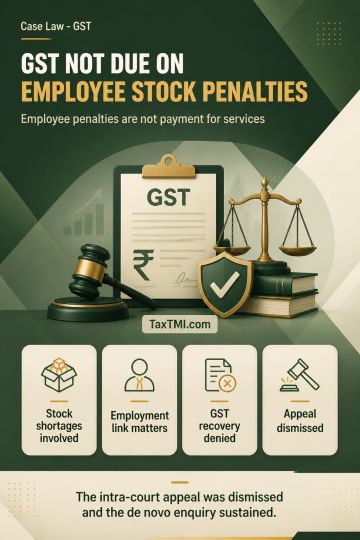
Employee stock-shortage penalties do not constitute consideration for services, preventing GST collection under Schedule II in employment relationship...
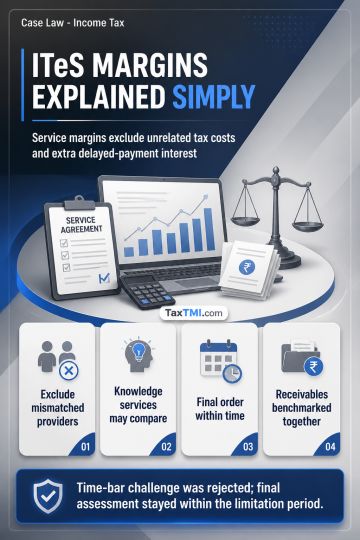
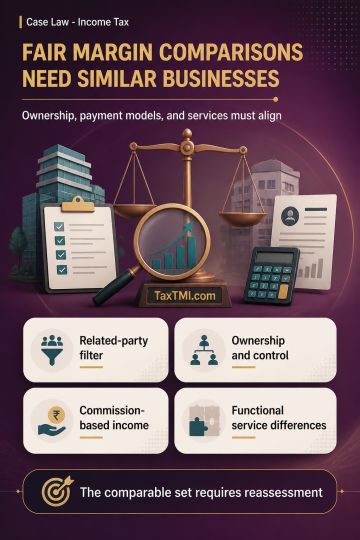
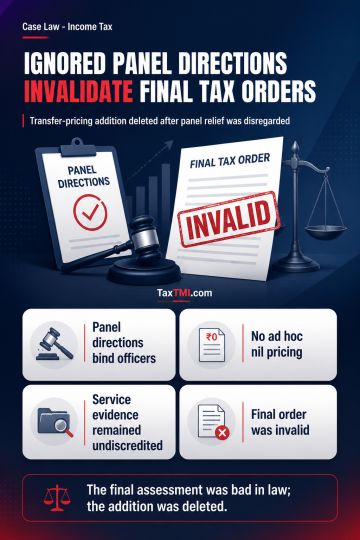
Transfer-pricing treatment of ITeS margins excludes pass-through tax recoveries and separate delayed-receivables interest after working-capital adjust...
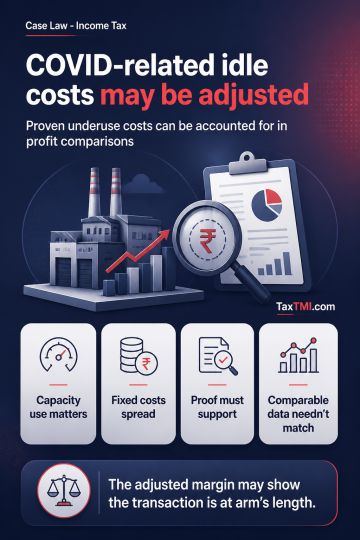
Capacity-utilisation adjustments under TNMM can neutralise substantiated COVID-related idle costs where underutilisation materially affects profitabil...
Payment of damages under an arbitral award did not amount to a taxable supply under the CGST Act because the settlement before the Delhi High Court was not an independent commercial arrangement to refrain from an act or tolerate a situation. The withdrawal or suspension of enforcement proceedings in the UK and US followed only from full satisfaction of the award and did not create separate consideration or a distinct service. In the absence of an independent contract and consideration, Section 7 and Entry 5(e) of Schedule II were inapplicable, and the IGST charge could not be sustained. The intimation and show cause notice were quashed for lack of jurisdiction, and the writ petition was entertained despite the alternate remedy rule.
Payment of damages under an arbitral award did not amount to a taxable supply under the CGST Act because the settlement before the Delhi High Court was not an independent commercial arrangement to refrain from an act or tolerate a situation. The withdrawal or suspension of enforcement proceedings in the UK and US followed only from full satisfaction of the award and did not create separate consideration or a distinct service. In the absence of an independent contract and consideration, Section 7 and Entry 5(e) of Schedule II were inapplicable, and the IGST charge could not be sustained. The intimation and show cause notice were quashed for lack of jurisdiction, and the writ petition was entertained despite the alternate remedy rule.
Note: It is a system-generated summary and is for quick reference only.
 TaxTMI
  TaxTMI
 of 4824



 Join Channel


