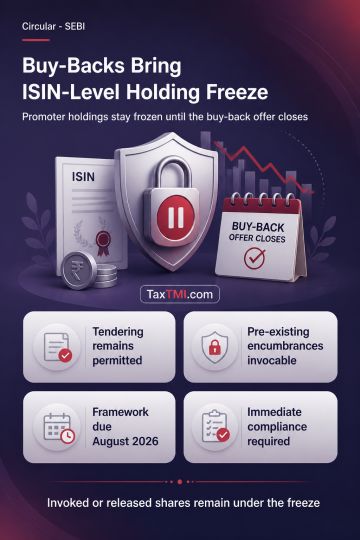
Specialized Investment Fund distribution now requires dedicated certification, while transitional recognition preserves existing qualified distributor...
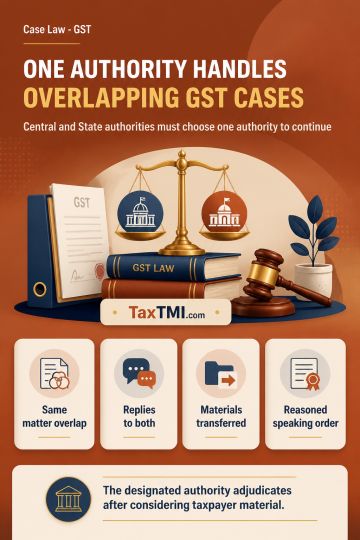
Overlapping GST proceedings require Central and State authorities to designate one competent authority for coordinated adjudication of the same matter...
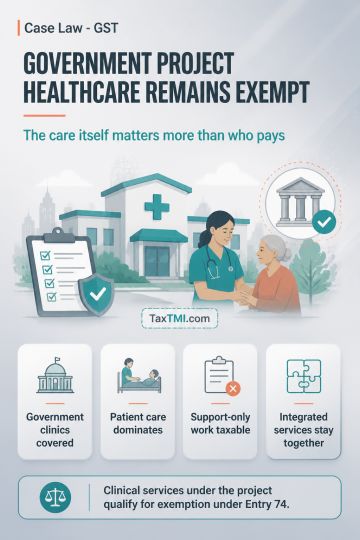
Composite healthcare supplies retain exemption when patient care is the contract's essential character, despite payment through an implementing agency...
The ITAT upheld rejection of the assessee's books of account under section 145(3) because verifiable labour records, third-party confirmations, project-wise details and reconciliations were not produced, and major expenses rested on self-made vouchers with no credible support. Once the accounts were rejected, profit had to be estimated on a fair and reasonable basis, but the Tribunal found the Assessing Officer's 8% rate excessive because it relied on non-comparable listed companies and a section 44AD benchmark that could not be mechanically applied beyond the prescribed turnover limit. Considering the nature of the sub-contract business, remote working conditions and defects in the records, profit was estimated at 5% of turnover.
The ITAT upheld rejection of the assessee's books of account under section 145(3) because verifiable labour records, third-party confirmations, project-wise details and reconciliations were not produced, and major expenses rested on self-made vouchers with no credible support. Once the accounts were rejected, profit had to be estimated on a fair and reasonable basis, but the Tribunal found the Assessing Officer's 8% rate excessive because it relied on non-comparable listed companies and a section 44AD benchmark that could not be mechanically applied beyond the prescribed turnover limit. Considering the nature of the sub-contract business, remote working conditions and defects in the records, profit was estimated at 5% of turnover.
Note: It is a system-generated summary and is for quick reference only.
 TaxTMI
  TaxTMI
 of 4813









 Join Channel


