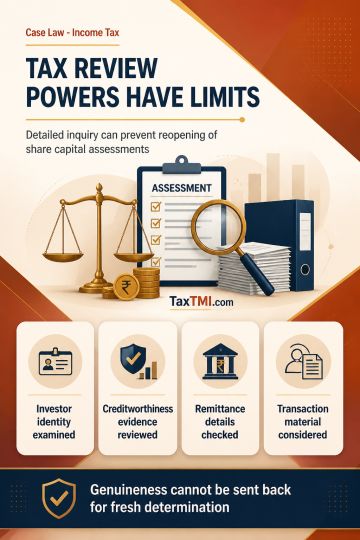
Revisionary jurisdiction cannot reopen share capital assessments where adequate inquiry supports a permissible view and no independent error is establ...
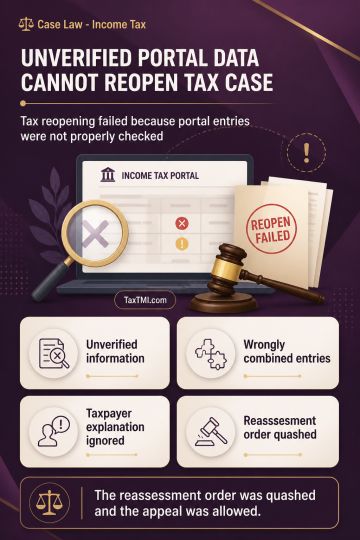
Reassessment jurisdiction fails where unverified portal information is aggregated without examining the taxpayer's explanation or relevance of entries...
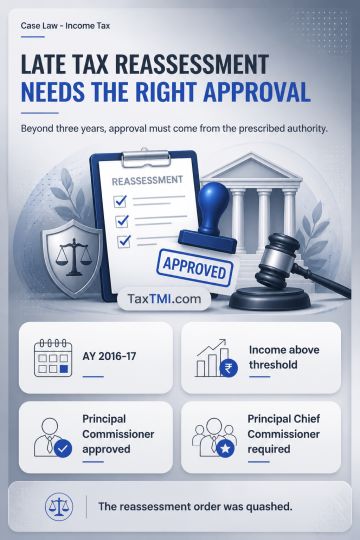
Statutory sanction for delayed reassessment requires approval from the prescribed authority; approval by an inferior authority invalidates jurisdictio...
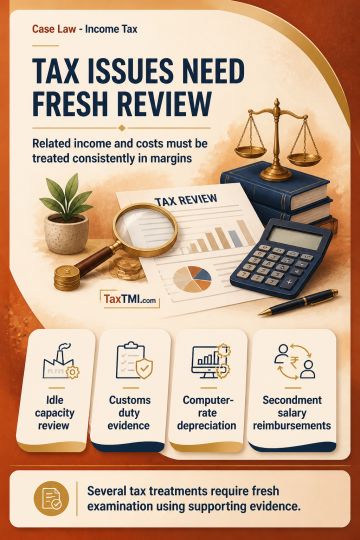
Transfer pricing margin adjustments require matching treatment of non-operating income and related costs, with comparability issues reconsidered on ev...
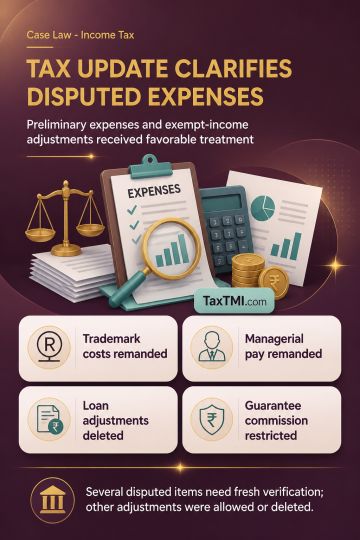
Preliminary-expense amortisation and MAT exempt-income adjustments prevailed, while trademark costs and managerial remuneration require fresh verifica...
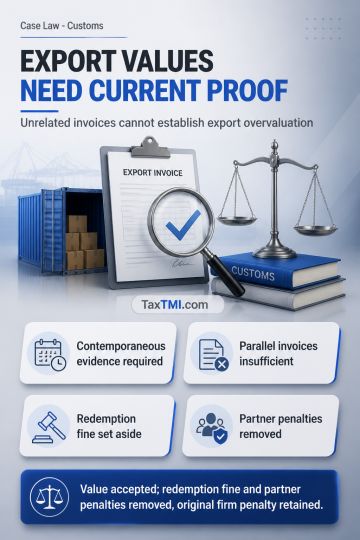
Export valuation requires contemporaneous evidence; unrelated invoices cannot prove overvaluation, and dual penalties on firm and partner are impermis...
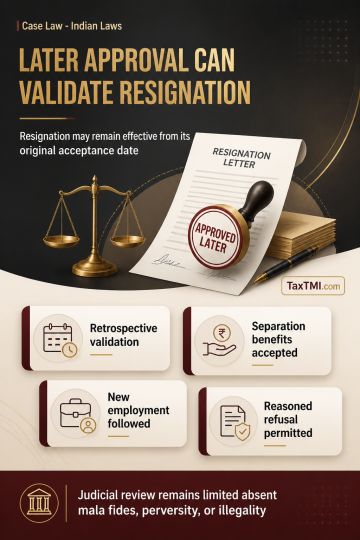
Ratification of resignation acceptance validates separation retrospectively, while withdrawal may be refused through reasoned administrative discretio...
The ITAT upheld rejection of the assessee's books of account under section 145(3) because verifiable labour records, third-party confirmations, project-wise details and reconciliations were not produced, and major expenses rested on self-made vouchers with no credible support. Once the accounts were rejected, profit had to be estimated on a fair and reasonable basis, but the Tribunal found the Assessing Officer's 8% rate excessive because it relied on non-comparable listed companies and a section 44AD benchmark that could not be mechanically applied beyond the prescribed turnover limit. Considering the nature of the sub-contract business, remote working conditions and defects in the records, profit was estimated at 5% of turnover.
The ITAT upheld rejection of the assessee's books of account under section 145(3) because verifiable labour records, third-party confirmations, project-wise details and reconciliations were not produced, and major expenses rested on self-made vouchers with no credible support. Once the accounts were rejected, profit had to be estimated on a fair and reasonable basis, but the Tribunal found the Assessing Officer's 8% rate excessive because it relied on non-comparable listed companies and a section 44AD benchmark that could not be mechanically applied beyond the prescribed turnover limit. Considering the nature of the sub-contract business, remote working conditions and defects in the records, profit was estimated at 5% of turnover.
Note: It is a system-generated summary and is for quick reference only.
 TaxTMI
  TaxTMI
 of 4817





 Join Channel


