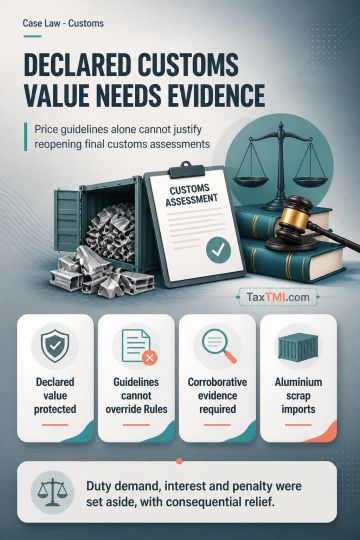
Transaction value cannot be rejected solely on non-statutory valuation guidelines without corroborative evidence supporting reassessment of final cust...
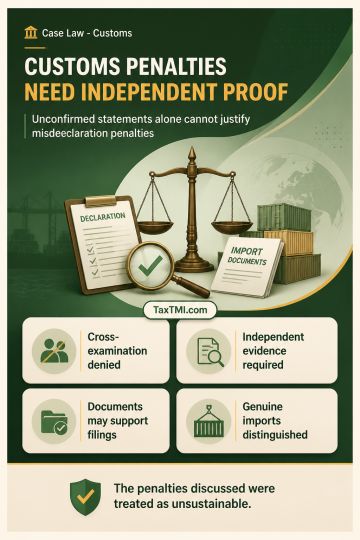
Cross-examination rights and corroborated evidence limit customs penalties for misdeclaration in genuine import transactions involving documented clea...
Tariff classification of vehicle gear components follows the specific gearing entry, displacing motor-vehicle parts classification and related liabili...
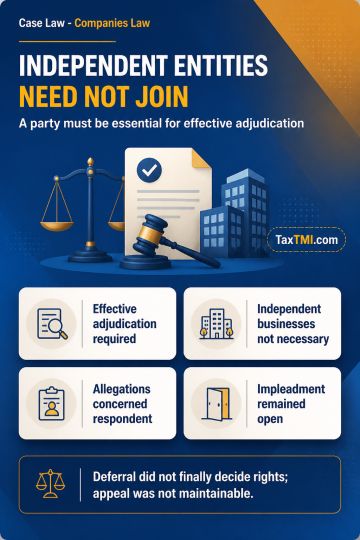
Necessary-party requirements limit impleadment of independent entities, while deferred consideration does not create an appealable adverse determinati...
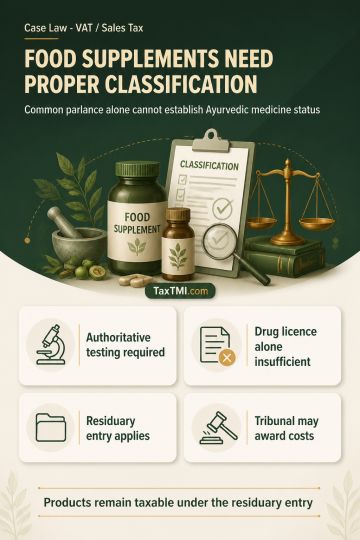
Food supplement classification requires common parlance and authoritative tests, preventing treatment as proprietary Ayurvedic medicines without suppo...
A reassessment notice issued beyond three years from the end of the relevant assessment year was held invalid because approval was taken from the wrong authority under section 151, so the reassessment for AY 2017-18 was quashed. Additions for alleged unexplained money, accommodation entries, commission, and suppressed gross profit were deleted because the Revenue relied on assumptions and dumb documents, while the assessee produced invoices, ledgers, stock records, GST material, and bank evidence and no corroborative material showed receipt of unaccounted cash. The Tribunal also held that valuation of unquoted shares under the assessee's chosen DCF method could not be replaced by the Assessing Officer's preferred method. For AY 2023-24, one cash issue was remanded for reconciliation, and on alleged unrecorded cash sales only the profit element was directed to be taxed.
A reassessment notice issued beyond three years from the end of the relevant assessment year was held invalid because approval was taken from the wrong authority under section 151, so the reassessment for AY 2017-18 was quashed. Additions for alleged unexplained money, accommodation entries, commission, and suppressed gross profit were deleted because the Revenue relied on assumptions and dumb documents, while the assessee produced invoices, ledgers, stock records, GST material, and bank evidence and no corroborative material showed receipt of unaccounted cash. The Tribunal also held that valuation of unquoted shares under the assessee's chosen DCF method could not be replaced by the Assessing Officer's preferred method. For AY 2023-24, one cash issue was remanded for reconciliation, and on alleged unrecorded cash sales only the profit element was directed to be taxed.
Note: It is a system-generated summary and is for quick reference only.
 TaxTMI
  TaxTMI
 of 4814





 Join Channel