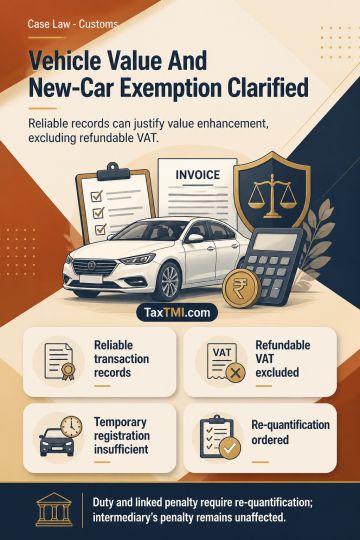
Transaction value rejection requires reliable corroboration; refundable VAT is excluded and temporary registration does not defeat new-vehicle exempti...
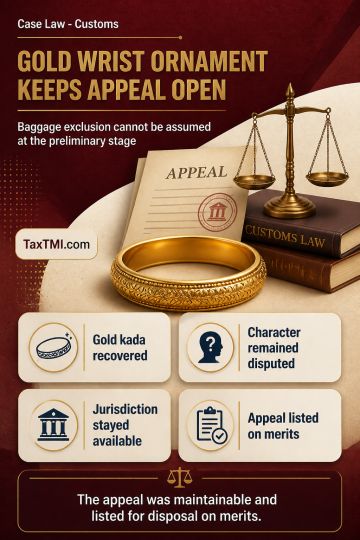
Appellate jurisdiction remains available where a wrist-worn gold ornament cannot conclusively be characterised as imported baggage at the preliminary ...
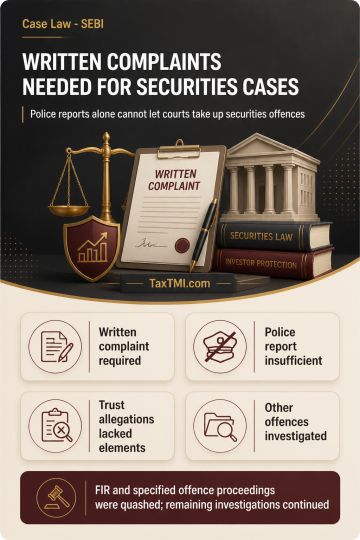
Written complaint requirement bars cognizance on police reports for securities offences, while unsupported breach of trust and cheating allegations fa...
Risk-based postal import clearance standardises electronic assessment, document requests, duty realisation and delivery controls at Foreign Post Offic...
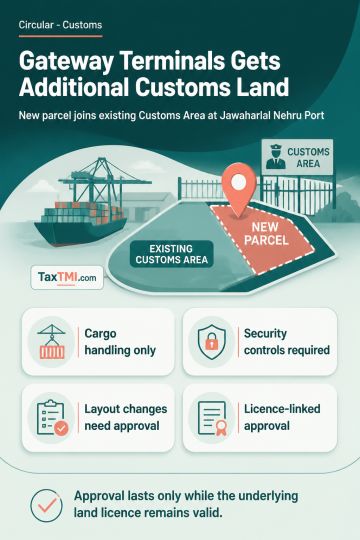
Customs Cargo Service Provider appointment extends custodianship to additional terminal land, subject to cargo-control, security and licence condition...
A reassessment notice issued beyond three years from the end of the relevant assessment year was held invalid because approval was taken from the wrong authority under section 151, so the reassessment for AY 2017-18 was quashed. Additions for alleged unexplained money, accommodation entries, commission, and suppressed gross profit were deleted because the Revenue relied on assumptions and dumb documents, while the assessee produced invoices, ledgers, stock records, GST material, and bank evidence and no corroborative material showed receipt of unaccounted cash. The Tribunal also held that valuation of unquoted shares under the assessee's chosen DCF method could not be replaced by the Assessing Officer's preferred method. For AY 2023-24, one cash issue was remanded for reconciliation, and on alleged unrecorded cash sales only the profit element was directed to be taxed.
A reassessment notice issued beyond three years from the end of the relevant assessment year was held invalid because approval was taken from the wrong authority under section 151, so the reassessment for AY 2017-18 was quashed. Additions for alleged unexplained money, accommodation entries, commission, and suppressed gross profit were deleted because the Revenue relied on assumptions and dumb documents, while the assessee produced invoices, ledgers, stock records, GST material, and bank evidence and no corroborative material showed receipt of unaccounted cash. The Tribunal also held that valuation of unquoted shares under the assessee's chosen DCF method could not be replaced by the Assessing Officer's preferred method. For AY 2023-24, one cash issue was remanded for reconciliation, and on alleged unrecorded cash sales only the profit element was directed to be taxed.
Note: It is a system-generated summary and is for quick reference only.
 TaxTMI
  TaxTMI
 of 4817






 Join Channel