Nature-dependent electricity contracts receive new Ind AS accounting, hedge designation, transition and financial-statement disclosure requirements fr...
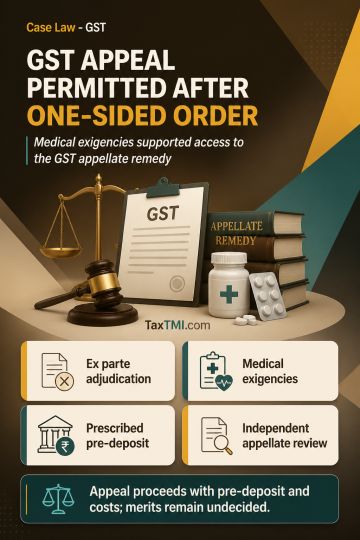
Alternative GST remedy permitted protective writ intervention for ex parte adjudication, preserving independent appellate review of input tax credit d...
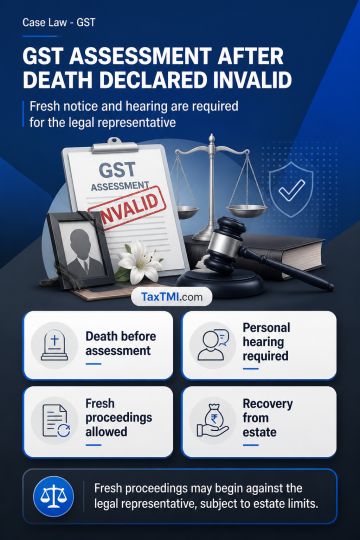
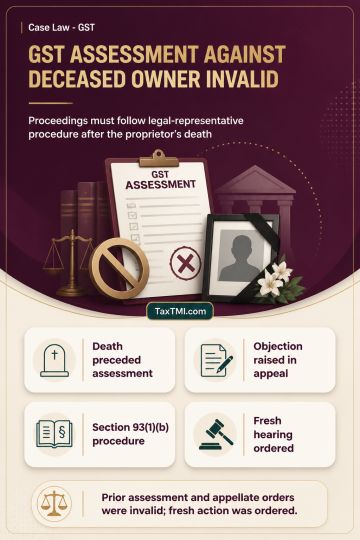
Assessment against deceased sole proprietor requires proceedings against the legal representative, rendering prior assessment and appellate orders inv...
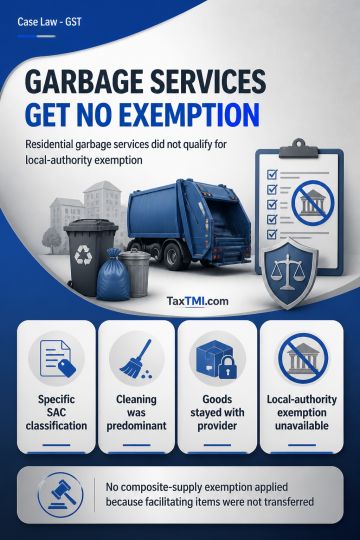
Residential waste collection classification under SAC 999423 defeats composite-supply exemption where facilitating goods are not transferred to the lo...
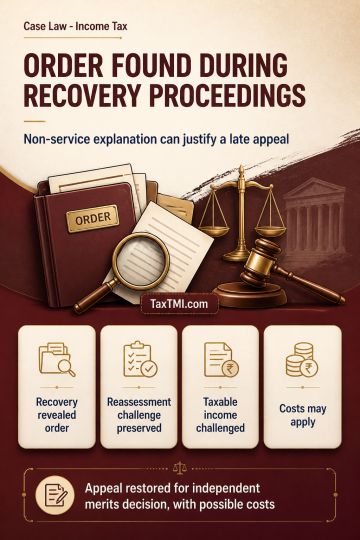
Condonation of delay permits statutory appeal restoration where inadequate service explanation prevented consideration of reassessment and taxable-inc...
A reassessment notice issued beyond three years from the end of the relevant assessment year was held invalid because approval was taken from the wrong authority under section 151, so the reassessment for AY 2017-18 was quashed. Additions for alleged unexplained money, accommodation entries, commission, and suppressed gross profit were deleted because the Revenue relied on assumptions and dumb documents, while the assessee produced invoices, ledgers, stock records, GST material, and bank evidence and no corroborative material showed receipt of unaccounted cash. The Tribunal also held that valuation of unquoted shares under the assessee's chosen DCF method could not be replaced by the Assessing Officer's preferred method. For AY 2023-24, one cash issue was remanded for reconciliation, and on alleged unrecorded cash sales only the profit element was directed to be taxed.
A reassessment notice issued beyond three years from the end of the relevant assessment year was held invalid because approval was taken from the wrong authority under section 151, so the reassessment for AY 2017-18 was quashed. Additions for alleged unexplained money, accommodation entries, commission, and suppressed gross profit were deleted because the Revenue relied on assumptions and dumb documents, while the assessee produced invoices, ledgers, stock records, GST material, and bank evidence and no corroborative material showed receipt of unaccounted cash. The Tribunal also held that valuation of unquoted shares under the assessee's chosen DCF method could not be replaced by the Assessing Officer's preferred method. For AY 2023-24, one cash issue was remanded for reconciliation, and on alleged unrecorded cash sales only the profit element was directed to be taxed.
Note: It is a system-generated summary and is for quick reference only.
 TaxTMI
  TaxTMI
 of 4817




 Join Channel


