Vicarious liability for dishonoured company cheques may extend to non-signatory directors where complaints contain foundational responsibility avermen...
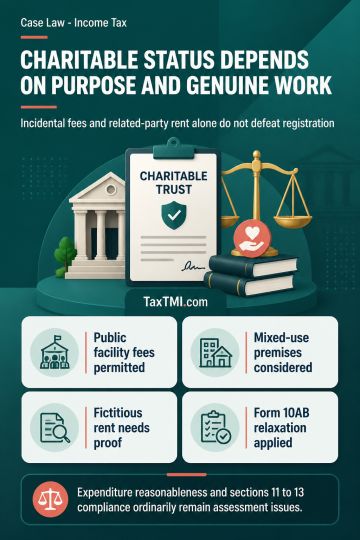
Charitable registration turns on predominant purpose and genuine activities, while incidental fees and related-party rent require supporting adverse m...
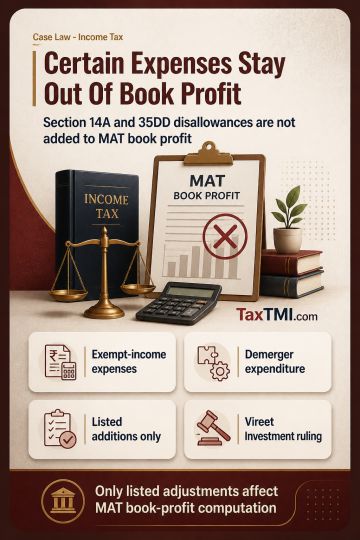
MAT book-profit adjustments exclude disallowances for exempt-income expenditure and demerger expenditure unless expressly listed under the statutory c...
Where an assessee permits its bank account and charitable status to be used for routing funds and claims exemption under sections 11 and 12 on that basis, it cannot avoid taxability by describing itself as a mere conduit. The Tribunal found that the assessee was a party to the arrangement by which donations were routed through its account and shown as application for educational purposes, while the funds were effectively taken back by the beneficiary group. The reliance on an earlier pass-through case was held distinguishable. The addition was upheld in the assessee's hands, the plea that only the ultimate beneficiary could be taxed was rejected, and the appeal was dismissed.
Where an assessee permits its bank account and charitable status to be used for routing funds and claims exemption under sections 11 and 12 on that basis, it cannot avoid taxability by describing itself as a mere conduit. The Tribunal found that the assessee was a party to the arrangement by which donations were routed through its account and shown as application for educational purposes, while the funds were effectively taken back by the beneficiary group. The reliance on an earlier pass-through case was held distinguishable. The addition was upheld in the assessee's hands, the plea that only the ultimate beneficiary could be taxed was rejected, and the appeal was dismissed.
Note: It is a system-generated summary and is for quick reference only.
 TaxTMI
  TaxTMI
 of 4817





 Join Channel


