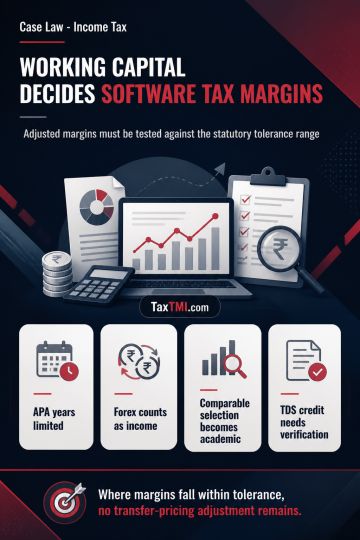
Working-capital adjustment determines whether software-services transfer-pricing margins fall within the statutory tolerance range, eliminating any ad...
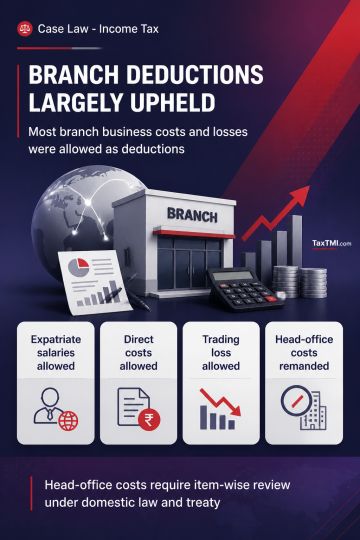
Permanent establishment deductions upheld for expatriate salaries, direct costs and trading losses, while head-office costs require fresh classificati...
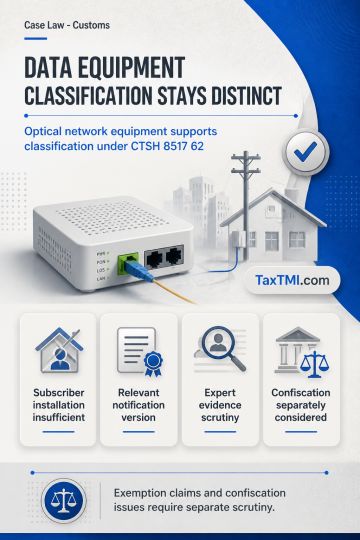
Data transmission equipment classification under CTSH 8517 62 remains distinct from residual classification, with exemption evidence requiring scrutin...
Knowing facilitation of diversion of duty-free imported goods from premises specified in Advance Authorisation conditions attracted penalty under Section 112(b) of the Customs Act. The Tribunal noted that the importer admitted diversion and partial duty payment, and that sales tax delivery notes handed to the appellant, including a copy given to the truck driver, showed awareness that the goods were being moved for sale contrary to the authorisation terms. On these facts, the goods were liable to confiscation and the appellant's aiding and abetting of their transport to unauthorised premises justified the penalty.
Knowing facilitation of diversion of duty-free imported goods from premises specified in Advance Authorisation conditions attracted penalty under Section 112(b) of the Customs Act. The Tribunal noted that the importer admitted diversion and partial duty payment, and that sales tax delivery notes handed to the appellant, including a copy given to the truck driver, showed awareness that the goods were being moved for sale contrary to the authorisation terms. On these facts, the goods were liable to confiscation and the appellant's aiding and abetting of their transport to unauthorised premises justified the penalty.
Note: It is a system-generated summary and is for quick reference only.
 TaxTMI
  TaxTMI
 of 4814




 Join Channel