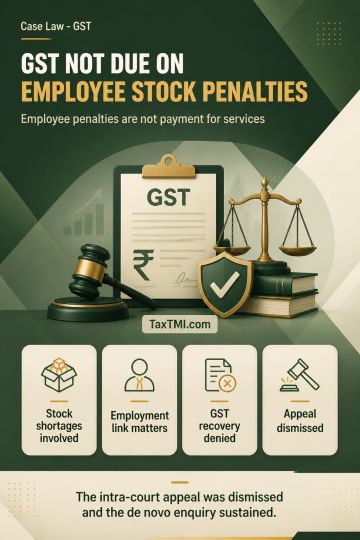
Employee stock-shortage penalties do not constitute consideration for services, preventing GST collection under Schedule II in employment relationship...
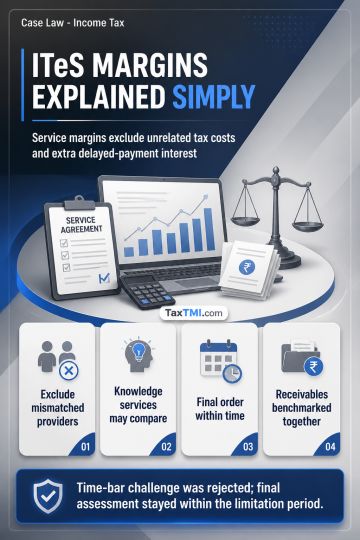
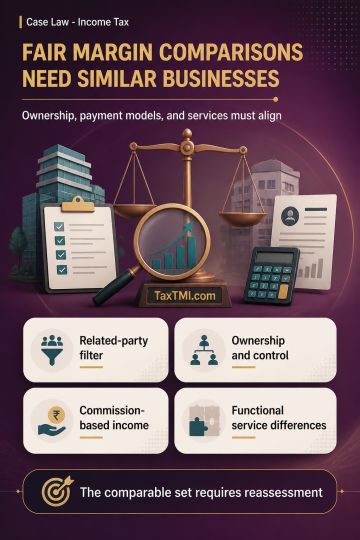
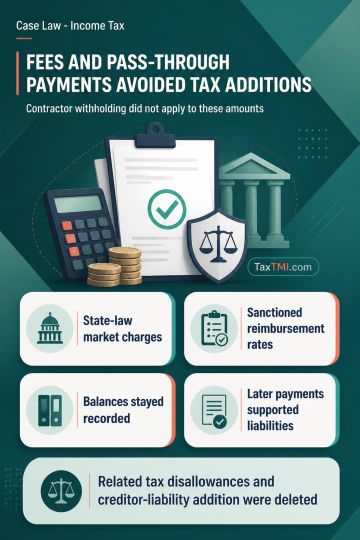
Transfer-pricing treatment of ITeS margins excludes pass-through tax recoveries and separate delayed-receivables interest after working-capital adjust...
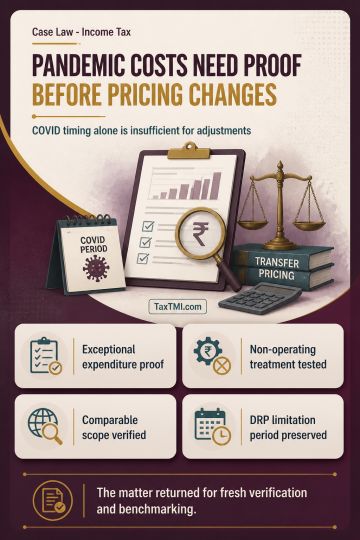
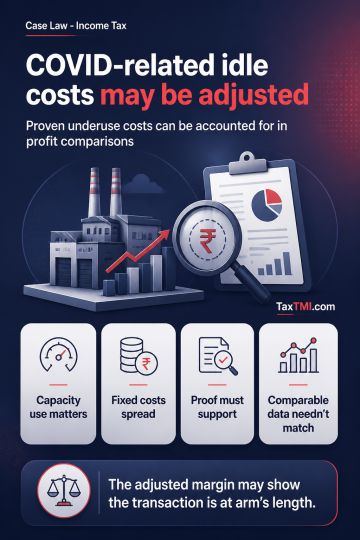
Capacity-utilisation adjustments under TNMM can neutralise substantiated COVID-related idle costs where underutilisation materially affects profitabil...
An admitted acknowledgment of liability can give rise to a fresh starting point of limitation, and the court-closure rule applies when the last day falls on a weekend and filing is made on the reopening day. The tribunal also clarified that the default-proof requirement is not confined to information-utility records: prima facie disclosure of debt and default may be shown through balance-sheet admissions and the debtor's written statement. A new limitation plea cannot be raised for the first time in written submissions after arguments, because written submissions are not pleadings.
An admitted acknowledgment of liability can give rise to a fresh starting point of limitation, and the court-closure rule applies when the last day falls on a weekend and filing is made on the reopening day. The tribunal also clarified that the default-proof requirement is not confined to information-utility records: prima facie disclosure of debt and default may be shown through balance-sheet admissions and the debtor's written statement. A new limitation plea cannot be raised for the first time in written submissions after arguments, because written submissions are not pleadings.
Note: It is a system-generated summary and is for quick reference only.
 TaxTMI
  TaxTMI
 of 4824



 Join Channel


