Service of notice and contractual debt acknowledgment preserved insolvency admission against a corporate guarantor despite limitation and natural just...
Original works exemption excludes standalone boulder transportation, leaving subcontracted railway-project transport services subject to service tax l...
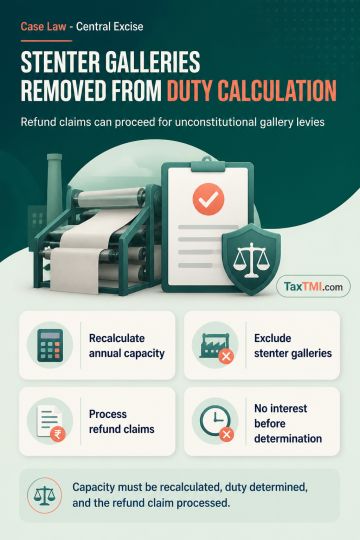
Annual production capacity determinations excluding stenter galleries support refunds for unconstitutional excise levies without an unjust-enrichment ...
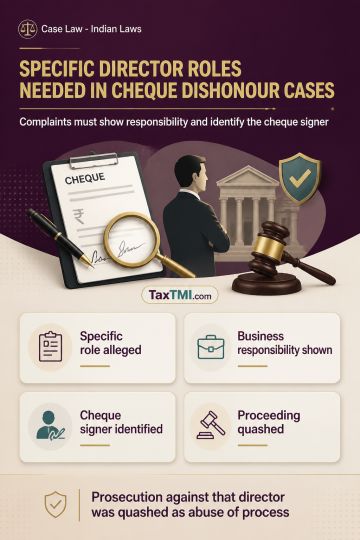
Vicarious liability for cheque dishonour requires specific allegations of responsibility and cheque signatory; generic director allegations cannot sus...
IT Resilience Index requires market infrastructure institutions to automate resilience scoring, early warnings, and continuous service-delivery monito...
Section 32A was applied to protect the corporate debtor's property from attachment where an approved resolution plan had been implemented with a qualifying change in management. The Tribunal, following Manish Kumar, held that statutory immunity extends to property covered by the approved plan for offences committed before commencement of CIRP, so long as control passes to persons unconnected with the erstwhile management and not shown to have abetted or conspired in the offence. It rejected the argument that PMLA attachment could continue merely because the property was alleged to be proceeds of crime, and also noted that the underlying claim had already been finally rejected in insolvency proceedings. The attachment orders were set aside.
Section 32A was applied to protect the corporate debtor's property from attachment where an approved resolution plan had been implemented with a qualifying change in management. The Tribunal, following Manish Kumar, held that statutory immunity extends to property covered by the approved plan for offences committed before commencement of CIRP, so long as control passes to persons unconnected with the erstwhile management and not shown to have abetted or conspired in the offence. It rejected the argument that PMLA attachment could continue merely because the property was alleged to be proceeds of crime, and also noted that the underlying claim had already been finally rejected in insolvency proceedings. The attachment orders were set aside.
Note: It is a system-generated summary and is for quick reference only.
 TaxTMI
  TaxTMI
 of 4826
















 Join Channel