Tender creditworthiness conditions may extend to de facto Promoter Directors, with post-participation challenges generally barred absent arbitrariness...
Corporate representation in PMLA summons proceedings permitted through an authorised signatory, subject to directors' continuing cooperation and atten...
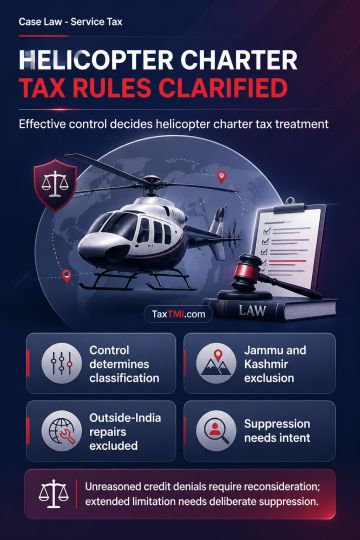
Helicopter charter classification requires effective control analysis, while territorial performance, reasoned credit orders and wilful suppression de...
Specified fund definition expands PAN exemption eligibility for registered alternative investment funds and qualifying International Financial Service...
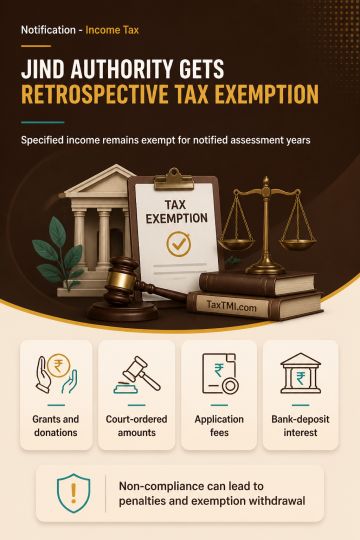
Tax exemption for specified legal-services authority income applies retrospectively, subject to non-commercial activity, unchanged income sources, and...
Approved resolution plans extinguish unsubmitted pre-approval tax claims, preventing later recovery outside the insolvency process and preserving a cl...
Page of 4819
Press 'Enter' after typing page number.
1241 to 1260 of 96363 Results
❮
❯
❯❯
0 / 200
Expand Note
Add to Folder
No Folders have been created
+
Are you sure you want to delete "My most important" ?
Submission of a repayment plan under the personal guarantor insolvency framework is mandatory, and one-time settlement proposals cannot replace it. Because the personal guarantors admittedly failed to submit any repayment plan despite opportunity, the Tribunal treated the plan as deemed rejected and upheld the creditor's move to initiate bankruptcy under the Code. Co-extensive liability under the guarantee deed was recognised, and objections about dues calculation, earlier settlement efforts, and prior SARFAESI or insolvency events did not defeat the bankruptcy process at this stage. The Tribunal affirmed the maintainability of the bankruptcy applications and sustained initiation of proceedings against the guarantors.
Submission of a repayment plan under the personal guarantor insolvency framework is mandatory, and one-time settlement proposals cannot replace it. Because the personal guarantors admittedly failed to submit any repayment plan despite opportunity, the Tribunal treated the plan as deemed rejected and upheld the creditor's move to initiate bankruptcy under the Code. Co-extensive liability under the guarantee deed was recognised, and objections about dues calculation, earlier settlement efforts, and prior SARFAESI or insolvency events did not defeat the bankruptcy process at this stage. The Tribunal affirmed the maintainability of the bankruptcy applications and sustained initiation of proceedings against the guarantors.
Note: It is a system-generated summary and is for quick reference only.
 TaxTMI
  TaxTMI
 of 4819















 Join Channel