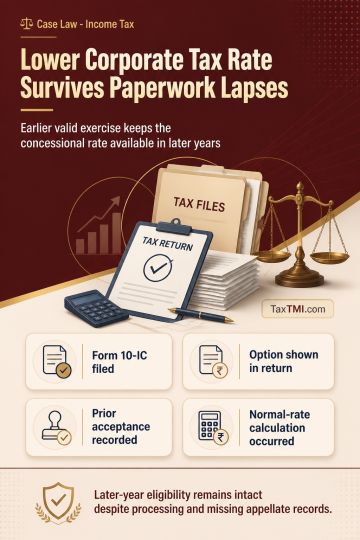
Concessional corporate tax option under section 115BAA survives procedural documentary lapses when statutory compliance and earlier exercise are estab...
Penny-stock additions require transaction-specific evidence; general investigation material alone cannot establish undisclosed income or accommodation...
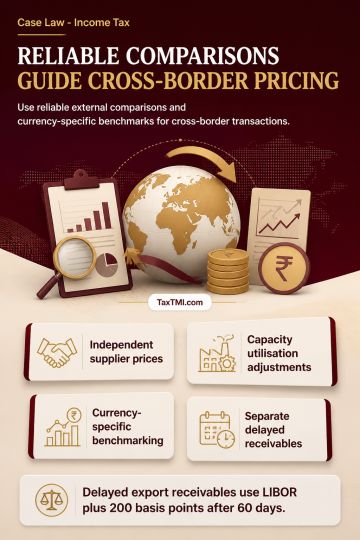
Transfer pricing comparability prioritises reliable external CUPs and foreign-currency LIBOR benchmarks for exports, borrowings and delayed receivable...
Section 153C satisfaction and seized electronic records sustained unexplained-investment addition, subject to proportionate ownership-share verificati...
A writ challenge to rejection of a GST refund was declined because the Court found no jurisdictional defect or breach of natural justice warranting Article 226 interference. It held that there is a material distinction between lack of jurisdiction and an erroneous exercise of jurisdiction, and that disputes over the correctness of factual findings, including adequacy of supporting refund documents, should be pursued in the statutory appellate forum. The Court also rejected the argument that the GSTAT was inefficacious, noting that the Tribunal had begun functioning and could hear appeals. The petitioner was relegated to the statutory appeal, with all merits left open.
A writ challenge to rejection of a GST refund was declined because the Court found no jurisdictional defect or breach of natural justice warranting Article 226 interference. It held that there is a material distinction between lack of jurisdiction and an erroneous exercise of jurisdiction, and that disputes over the correctness of factual findings, including adequacy of supporting refund documents, should be pursued in the statutory appellate forum. The Court also rejected the argument that the GSTAT was inefficacious, noting that the Tribunal had begun functioning and could hear appeals. The petitioner was relegated to the statutory appeal, with all merits left open.
Note: It is a system-generated summary and is for quick reference only.
 TaxTMI
  TaxTMI
 of 4819












 Join Channel