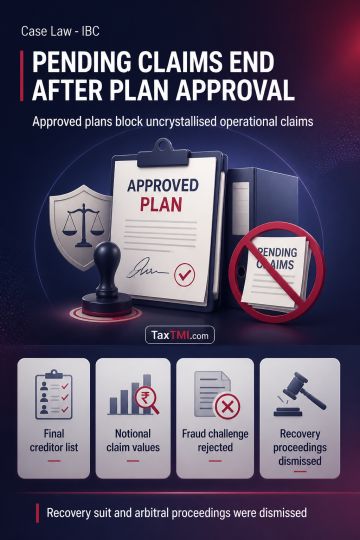
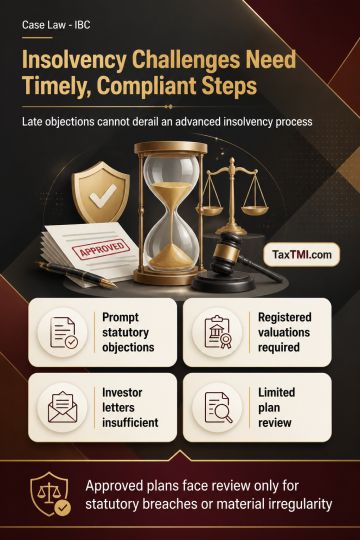
Clean slate principle extinguishes uncrystallised operational claims and bars continuation of pending recovery and arbitral proceedings after plan app...
Works contract classification governs composite layout-development contracts where VAT-paid goods are transferred alongside construction and infrastru...
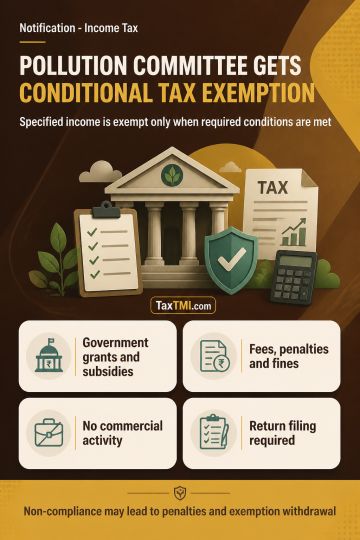
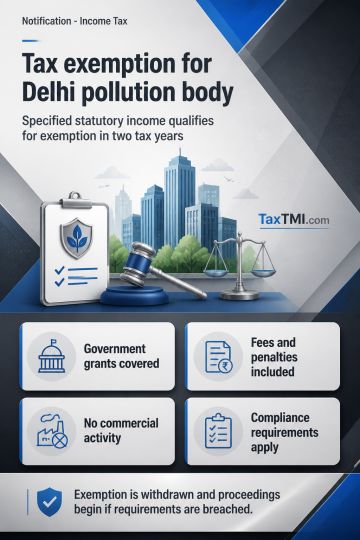
Specified income tax exemption for pollution control body remains conditional on non-commercial activity, unchanged income character, and return filin...
Jurisdictional facts in certificate-of-origin discrepancies can support customs show-cause proceedings, leaving factual explanations for departmental ...
A writ challenge to rejection of a GST refund was declined because the Court found no jurisdictional defect or breach of natural justice warranting Article 226 interference. It held that there is a material distinction between lack of jurisdiction and an erroneous exercise of jurisdiction, and that disputes over the correctness of factual findings, including adequacy of supporting refund documents, should be pursued in the statutory appellate forum. The Court also rejected the argument that the GSTAT was inefficacious, noting that the Tribunal had begun functioning and could hear appeals. The petitioner was relegated to the statutory appeal, with all merits left open.
A writ challenge to rejection of a GST refund was declined because the Court found no jurisdictional defect or breach of natural justice warranting Article 226 interference. It held that there is a material distinction between lack of jurisdiction and an erroneous exercise of jurisdiction, and that disputes over the correctness of factual findings, including adequacy of supporting refund documents, should be pursued in the statutory appellate forum. The Court also rejected the argument that the GSTAT was inefficacious, noting that the Tribunal had begun functioning and could hear appeals. The petitioner was relegated to the statutory appeal, with all merits left open.
Note: It is a system-generated summary and is for quick reference only.
 TaxTMI
  TaxTMI
 of 4813












 Join Channel