Vicarious liability for dishonoured company cheques may extend to non-signatory directors where complaints contain foundational responsibility avermen...
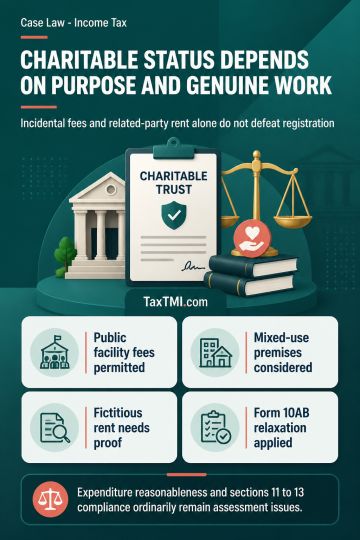
Charitable registration turns on predominant purpose and genuine activities, while incidental fees and related-party rent require supporting adverse m...
MAT book-profit adjustments exclude disallowances for exempt-income expenditure and demerger expenditure unless expressly listed under the statutory c...
A writ challenge to rejection of a GST refund was declined because the Court found no jurisdictional defect or breach of natural justice warranting Article 226 interference. It held that there is a material distinction between lack of jurisdiction and an erroneous exercise of jurisdiction, and that disputes over the correctness of factual findings, including adequacy of supporting refund documents, should be pursued in the statutory appellate forum. The Court also rejected the argument that the GSTAT was inefficacious, noting that the Tribunal had begun functioning and could hear appeals. The petitioner was relegated to the statutory appeal, with all merits left open.
A writ challenge to rejection of a GST refund was declined because the Court found no jurisdictional defect or breach of natural justice warranting Article 226 interference. It held that there is a material distinction between lack of jurisdiction and an erroneous exercise of jurisdiction, and that disputes over the correctness of factual findings, including adequacy of supporting refund documents, should be pursued in the statutory appellate forum. The Court also rejected the argument that the GSTAT was inefficacious, noting that the Tribunal had begun functioning and could hear appeals. The petitioner was relegated to the statutory appeal, with all merits left open.
Note: It is a system-generated summary and is for quick reference only.
 TaxTMI
  TaxTMI
 of 4817









 Join Channel


