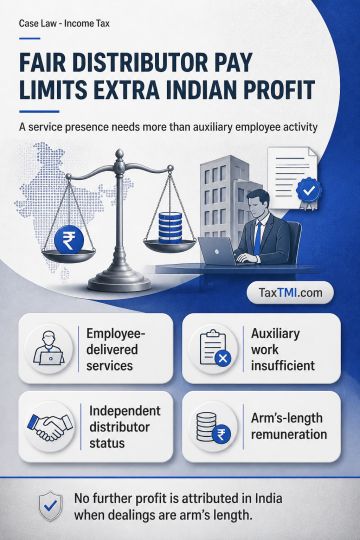
Service permanent establishment requires non-auxiliary services, while arm's-length distributor remuneration precludes further profit attribution in I...
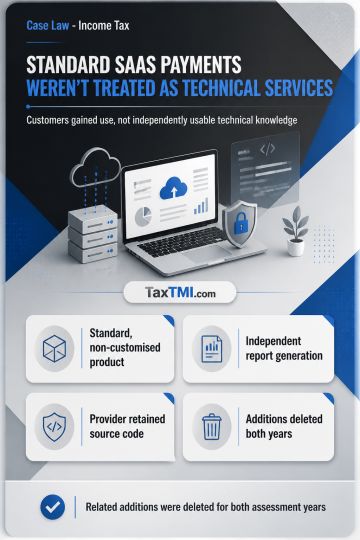
Make-available condition excludes standard SaaS subscription receipts where customers receive no independently usable technical knowledge after subscr...
Anonymous donation classification fails where charitable trusts maintain undisputed donor identity records and evidence corpus contributions' intended...
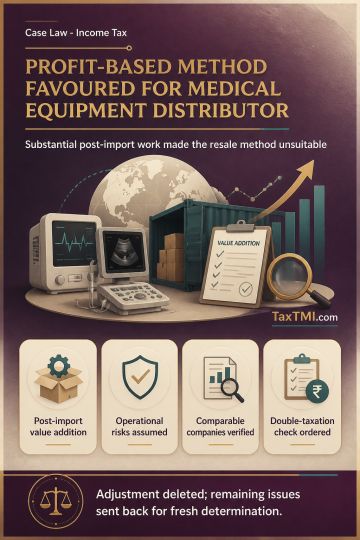
Transfer pricing method selection favours TNMM where medical-equipment distribution involves substantial post-import value addition and operational ri...
A writ challenge to rejection of a GST refund was declined because the Court found no jurisdictional defect or breach of natural justice warranting Article 226 interference. It held that there is a material distinction between lack of jurisdiction and an erroneous exercise of jurisdiction, and that disputes over the correctness of factual findings, including adequacy of supporting refund documents, should be pursued in the statutory appellate forum. The Court also rejected the argument that the GSTAT was inefficacious, noting that the Tribunal had begun functioning and could hear appeals. The petitioner was relegated to the statutory appeal, with all merits left open.
A writ challenge to rejection of a GST refund was declined because the Court found no jurisdictional defect or breach of natural justice warranting Article 226 interference. It held that there is a material distinction between lack of jurisdiction and an erroneous exercise of jurisdiction, and that disputes over the correctness of factual findings, including adequacy of supporting refund documents, should be pursued in the statutory appellate forum. The Court also rejected the argument that the GSTAT was inefficacious, noting that the Tribunal had begun functioning and could hear appeals. The petitioner was relegated to the statutory appeal, with all merits left open.
Note: It is a system-generated summary and is for quick reference only.
 TaxTMI
  TaxTMI
 of 4817











 Join Channel


