Defined public benefit can retain charitable character; registration renewal requires examining genuine activities and legal compliance, not surplus a...
Capital reduction is distinct from share buy-back, preventing buy-back tax; restructuring interest and related business deductions also survive scruti...
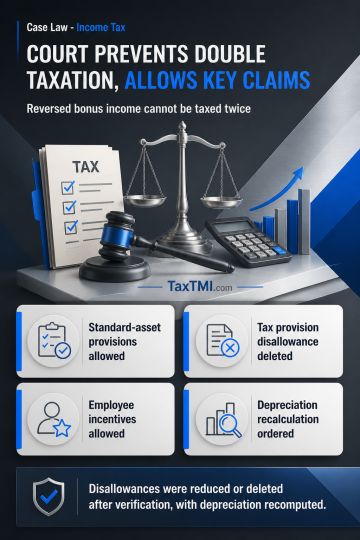
Transfer pricing and tax deductions upheld on established principles, while employee contributions and warranty provisions returned for fresh examinat...
Captive transfer pricing relies on industrial consumer tariffs, while genuine quotations can benchmark effluent treatment transfers under the Other Me...
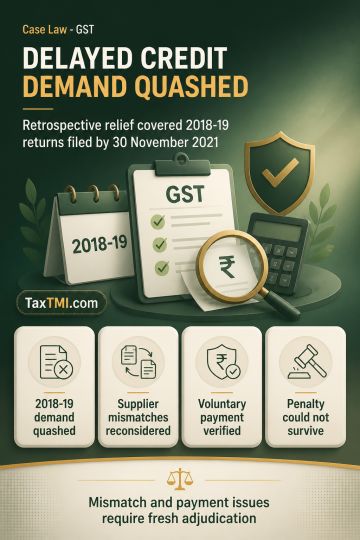
Mere deposit of cash in an electronic cash ledger does not amount to payment of GST unless the amount is appropriated to the Government exchequer under Section 49(1) read with Rule 87(6) and (7); where appropriation occurs later, the tax liability is discharged only then and interest remains payable for the period of delay. Input tax credit arising from reverse charge could not be availed before appropriation, but separate recovery of the wrongly availed credit was not justified after the taxpayer later made the debit entries and the amount stood appropriated. The Court also found that the question whether the omission reflected inadvertence or suppression with intent to evade tax required fresh factual consideration, and the composite order for two tax periods was set aside with remand for separate orders.
Mere deposit of cash in an electronic cash ledger does not amount to payment of GST unless the amount is appropriated to the Government exchequer under Section 49(1) read with Rule 87(6) and (7); where appropriation occurs later, the tax liability is discharged only then and interest remains payable for the period of delay. Input tax credit arising from reverse charge could not be availed before appropriation, but separate recovery of the wrongly availed credit was not justified after the taxpayer later made the debit entries and the amount stood appropriated. The Court also found that the question whether the omission reflected inadvertence or suppression with intent to evade tax required fresh factual consideration, and the composite order for two tax periods was set aside with remand for separate orders.
Note: It is a system-generated summary and is for quick reference only.
 TaxTMI
  TaxTMI
 of 4814


















 Join Channel




