Jurisdictional facts in certificate-of-origin discrepancies can support customs show-cause proceedings, leaving factual explanations for departmental ...
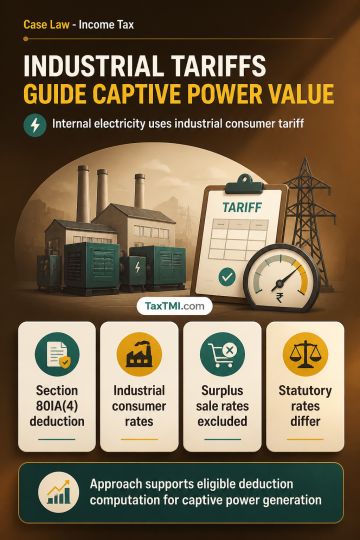
Market value for captive electricity consumption follows industrial consumer tariffs, supporting profit computation for the power generation deduction...
Additional input tax credit under GST that increased the ITC-to-purchase ratio was treated as a benefit required to be passed on through commensurate price reduction under anti-profiteering law; the plea that unutilised ITC under an inverted duty structure was not a real benefit, and that prices were fixed by contract, was rejected. The profiteered amount was held to include the GST component because the excess was collected from buyers inclusive of tax. Interest was held mandatory on the amount not passed on, running from collection until refund. Penalty under Section 171(3A) was held attracted for the contravention period, subject to the statutory proviso on timely deposit.
Additional input tax credit under GST that increased the ITC-to-purchase ratio was treated as a benefit required to be passed on through commensurate price reduction under anti-profiteering law; the plea that unutilised ITC under an inverted duty structure was not a real benefit, and that prices were fixed by contract, was rejected. The profiteered amount was held to include the GST component because the excess was collected from buyers inclusive of tax. Interest was held mandatory on the amount not passed on, running from collection until refund. Penalty under Section 171(3A) was held attracted for the contravention period, subject to the statutory proviso on timely deposit.
Note: It is a system-generated summary and is for quick reference only.
 TaxTMI
  TaxTMI
 of 4814













 Join Channel