Dispute Resolution Panel objections must reach both prescribed forums; otherwise assessment may proceed and statutory appeal remains the proper remedy...
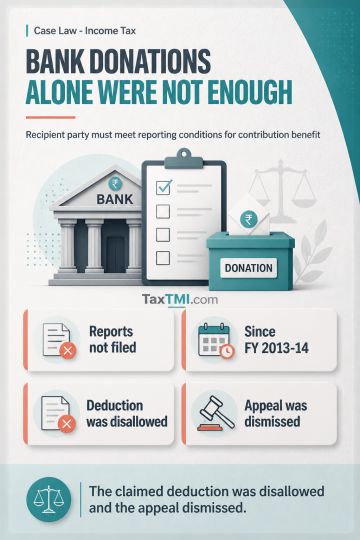
Political contribution deductions require recipient party compliance with contribution-reporting conditions; banking-channel donations alone do not qu...
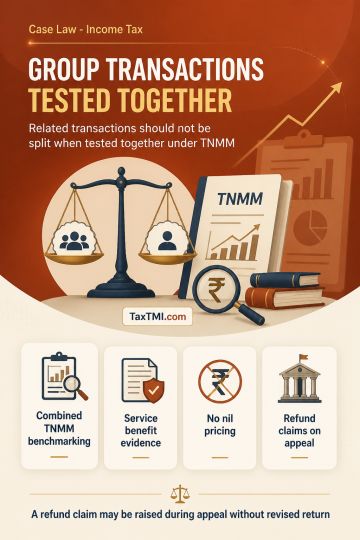
Aggregation under TNMM prevents selective testing of intra-group services without comparable uncontrolled transactions, while appellate additional cla...
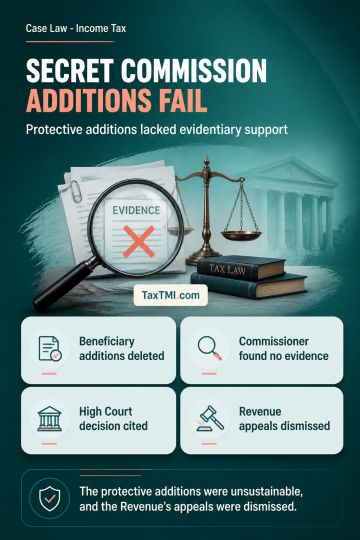
Protective assessment cannot duplicate identical receipts under competing characterisations; remote services did not establish a taxable permanent est...
Bluetooth wireless earphones, headphones, earbuds and neckbands were classified as headphones or earphones under CTI 8518 30 00 because their objective character and commercial identity fell within the specific eo nomine heading for audio reproduction devices. Bluetooth connectivity was treated as only the means of linking to a device, not as altering the essential nature of the goods into data transmission equipment, so the broader residual heading in 8517 was rejected. The concessional notification linked to CTI 8517 62 90 was therefore unavailable, and the duty demand was sustainable on merits. However, the extended period of limitation was not justified because the dispute was one of classification and intent to evade duty was not established; penalty under section 114A also could not survive. The matter was remitted only for the normal-period demand and consequential interest.
Bluetooth wireless earphones, headphones, earbuds and neckbands were classified as headphones or earphones under CTI 8518 30 00 because their objective character and commercial identity fell within the specific eo nomine heading for audio reproduction devices. Bluetooth connectivity was treated as only the means of linking to a device, not as altering the essential nature of the goods into data transmission equipment, so the broader residual heading in 8517 was rejected. The concessional notification linked to CTI 8517 62 90 was therefore unavailable, and the duty demand was sustainable on merits. However, the extended period of limitation was not justified because the dispute was one of classification and intent to evade duty was not established; penalty under section 114A also could not survive. The matter was remitted only for the normal-period demand and consequential interest.
Note: It is a system-generated summary and is for quick reference only.
 TaxTMI
  TaxTMI
 of 4819










 Join Channel


