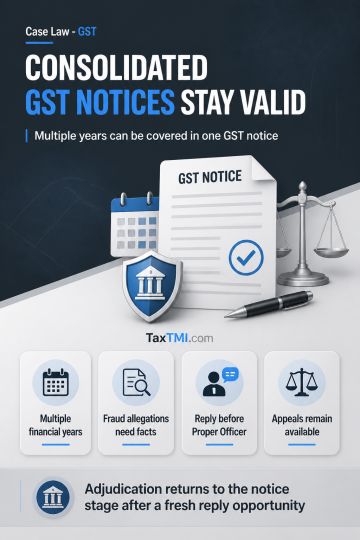
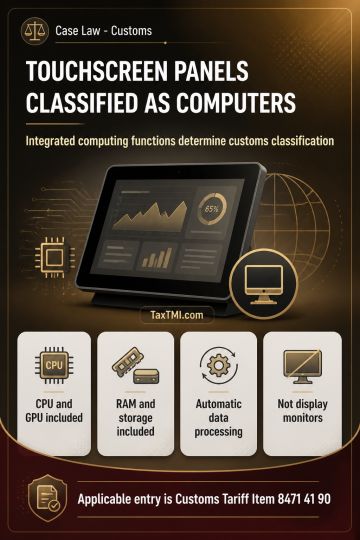
Interactive touchscreen panels with integrated computing functions fall under automatic data-processing machines rather than display monitors for cust...
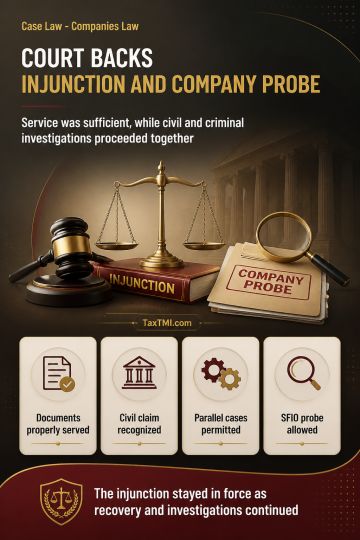
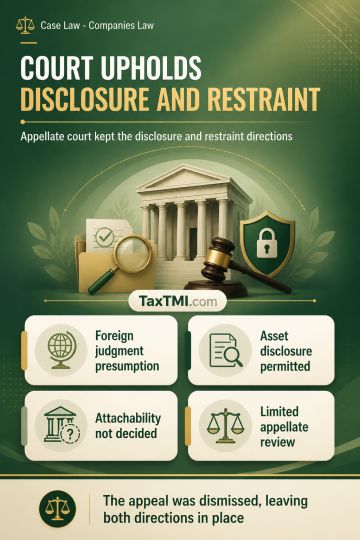
Ex parte injunction service requirements were substantially met, while civil recovery and SFIO investigation into provident fund defalcation continued...
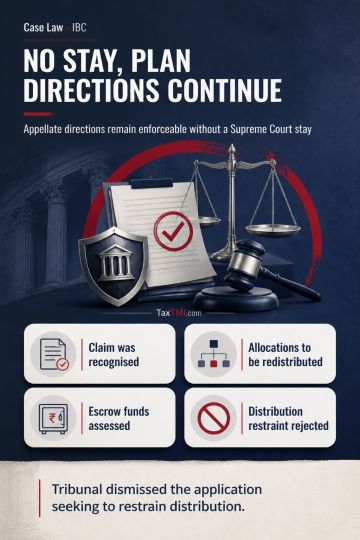
Enforcement of resolution-plan directions continues without a Supreme Court stay, preventing suspension of redistribution and escrowed-fund distributi...
Third-party ownership claims over attached property require Special Court adjudication where purchasers lack registered sale deeds and bona fides rema...
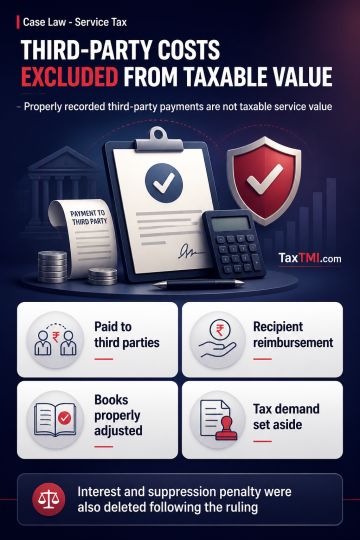
Pure-agent reimbursements in clearing and forwarding services are excluded from taxable value when qualifying third-party payments are properly record...
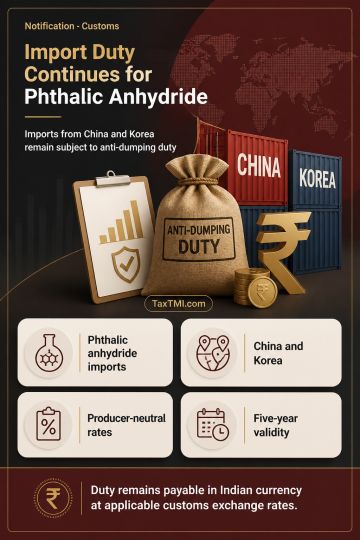
Customs relief for Strait of Hormuz maritime disruptions remains available, with existing conditions continuing unchanged through the extended validit...
Entities registered as societies were treated as governmental authorities because they were established and wholly controlled by the Haryana Government to perform citizen-facing statutory functions through e-governance, and the amounts collected were statutory fees rather than commercial consideration. On that basis, services relating to municipal functions under Notification No. 25/2012-ST were exempt, so the service tax demand on merits failed. The Tribunal also found no suppression or intent to evade tax: the dispute was interpretational, the activities were in the public domain, and the entities acted under bona fide belief. The extended period and consequential penalties under Sections 77 and 78 were therefore unsustainable.
Entities registered as societies were treated as governmental authorities because they were established and wholly controlled by the Haryana Government to perform citizen-facing statutory functions through e-governance, and the amounts collected were statutory fees rather than commercial consideration. On that basis, services relating to municipal functions under Notification No. 25/2012-ST were exempt, so the service tax demand on merits failed. The Tribunal also found no suppression or intent to evade tax: the dispute was interpretational, the activities were in the public domain, and the entities acted under bona fide belief. The extended period and consequential penalties under Sections 77 and 78 were therefore unsustainable.
Note: It is a system-generated summary and is for quick reference only.
 TaxTMI
  TaxTMI
 of 4821







 Join Channel