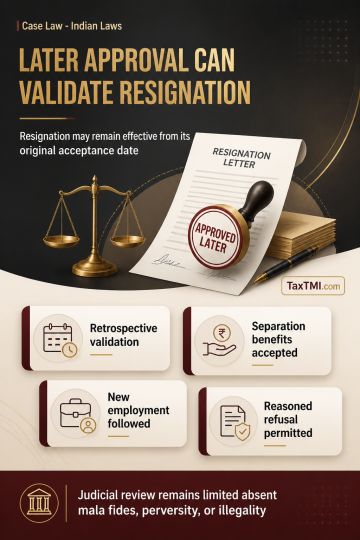
Ratification of resignation acceptance validates separation retrospectively, while withdrawal may be refused through reasoned administrative discretio...
Nature-dependent electricity contracts receive new Ind AS accounting, hedge designation, transition and financial-statement disclosure requirements fr...
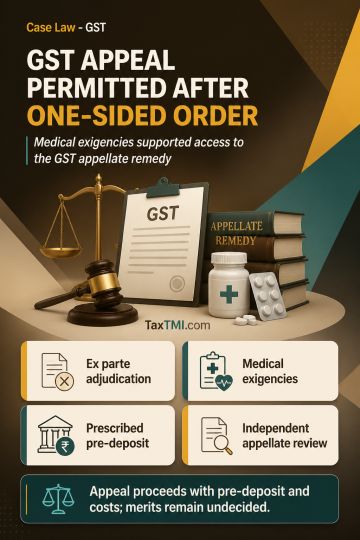
Alternative GST remedy permitted protective writ intervention for ex parte adjudication, preserving independent appellate review of input tax credit d...
Entities registered as societies were treated as governmental authorities because they were established and wholly controlled by the Haryana Government to perform citizen-facing statutory functions through e-governance, and the amounts collected were statutory fees rather than commercial consideration. On that basis, services relating to municipal functions under Notification No. 25/2012-ST were exempt, so the service tax demand on merits failed. The Tribunal also found no suppression or intent to evade tax: the dispute was interpretational, the activities were in the public domain, and the entities acted under bona fide belief. The extended period and consequential penalties under Sections 77 and 78 were therefore unsustainable.
Entities registered as societies were treated as governmental authorities because they were established and wholly controlled by the Haryana Government to perform citizen-facing statutory functions through e-governance, and the amounts collected were statutory fees rather than commercial consideration. On that basis, services relating to municipal functions under Notification No. 25/2012-ST were exempt, so the service tax demand on merits failed. The Tribunal also found no suppression or intent to evade tax: the dispute was interpretational, the activities were in the public domain, and the entities acted under bona fide belief. The extended period and consequential penalties under Sections 77 and 78 were therefore unsustainable.
Note: It is a system-generated summary and is for quick reference only.
 TaxTMI
  TaxTMI
 of 4824











 Join Channel