Donor-directed corpus contributions retain capital character despite exemption claims under section 10(23C)(vi), preventing their treatment as taxable...
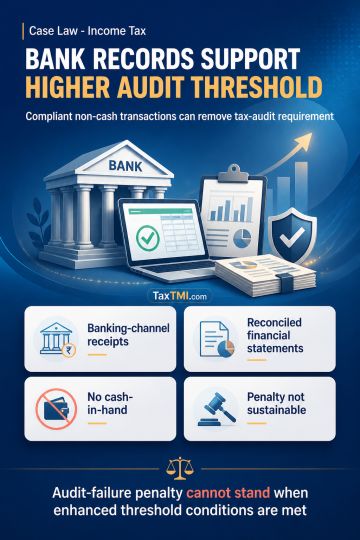
Enhanced tax-audit threshold applies where banking records establish compliant non-cash receipts and payments, eliminating penalty exposure for audit ...
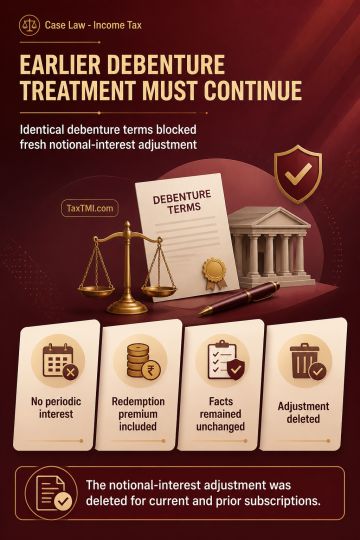
Transfer pricing consistency protects identical non-interest-bearing debenture terms from a later notional-interest adjustment without valid statutory...
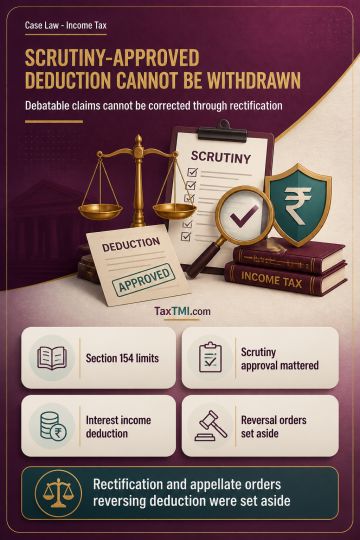
Rectification of debatable deduction claims cannot reverse scrutiny-approved co-operative society interest income deductions as apparent record errors...
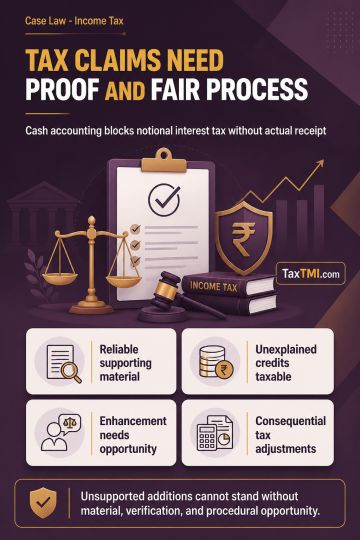
Cash-method accounting bars presumptive interest taxation, while unsupported securities and share-trading additions require reliable material and veri...
Entities registered as societies were treated as governmental authorities because they were established and wholly controlled by the Haryana Government to perform citizen-facing statutory functions through e-governance, and the amounts collected were statutory fees rather than commercial consideration. On that basis, services relating to municipal functions under Notification No. 25/2012-ST were exempt, so the service tax demand on merits failed. The Tribunal also found no suppression or intent to evade tax: the dispute was interpretational, the activities were in the public domain, and the entities acted under bona fide belief. The extended period and consequential penalties under Sections 77 and 78 were therefore unsustainable.
Entities registered as societies were treated as governmental authorities because they were established and wholly controlled by the Haryana Government to perform citizen-facing statutory functions through e-governance, and the amounts collected were statutory fees rather than commercial consideration. On that basis, services relating to municipal functions under Notification No. 25/2012-ST were exempt, so the service tax demand on merits failed. The Tribunal also found no suppression or intent to evade tax: the dispute was interpretational, the activities were in the public domain, and the entities acted under bona fide belief. The extended period and consequential penalties under Sections 77 and 78 were therefore unsustainable.
Note: It is a system-generated summary and is for quick reference only.
 TaxTMI
  TaxTMI
 of 4826












 Join Channel