Transaction value rejection requires reliable corroboration; refundable VAT is excluded and temporary registration does not defeat new-vehicle exempti...
Appellate jurisdiction remains available where a wrist-worn gold ornament cannot conclusively be characterised as imported baggage at the preliminary ...
Written complaint requirement bars cognizance on police reports for securities offences, while unsupported breach of trust and cheating allegations fa...
Risk-based postal import clearance standardises electronic assessment, document requests, duty realisation and delivery controls at Foreign Post Offic...
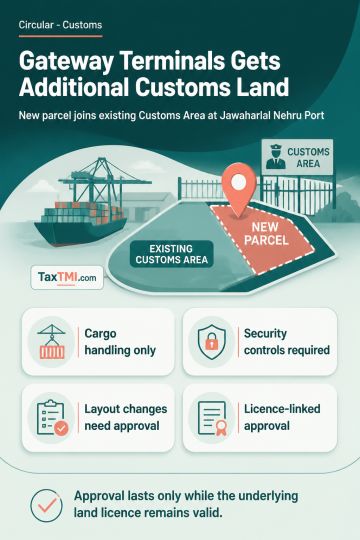
Customs Cargo Service Provider appointment extends custodianship to additional terminal land, subject to cargo-control, security and licence condition...
Under the EPCG exemption, Notification No. 97/2004-Cus. had to be read with the Foreign Trade Policy, and the dispute was confined to whether third-party exports could satisfy export obligation. The Tribunal found that, at the material time, the provisions were ambiguous on whether such exports had to be made from goods manufactured using the imported capital goods, and a later policy tightening could not be applied retrospectively. As the export obligation discharge certificate had been restored and the validity of the licence, installation of capital goods and their use were not in dispute, Customs could not sustain demand and penalties by re-agitating fulfilment of export obligation for the two licences. The demand and penalties for those imports were set aside.
Under the EPCG exemption, Notification No. 97/2004-Cus. had to be read with the Foreign Trade Policy, and the dispute was confined to whether third-party exports could satisfy export obligation. The Tribunal found that, at the material time, the provisions were ambiguous on whether such exports had to be made from goods manufactured using the imported capital goods, and a later policy tightening could not be applied retrospectively. As the export obligation discharge certificate had been restored and the validity of the licence, installation of capital goods and their use were not in dispute, Customs could not sustain demand and penalties by re-agitating fulfilment of export obligation for the two licences. The demand and penalties for those imports were set aside.
Note: It is a system-generated summary and is for quick reference only.
 TaxTMI
  TaxTMI
 of 4817















 Join Channel