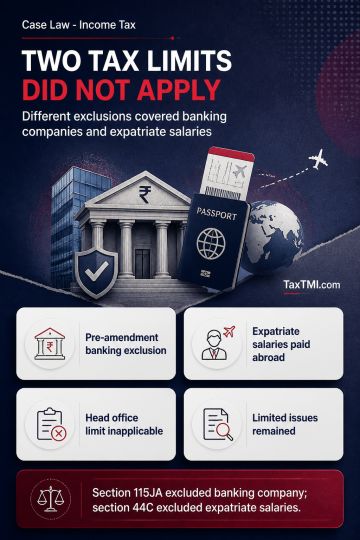
Minimum alternate tax exclusions for pre-amendment banking companies and expatriate Indian branch salaries remain outside head office expenditure limi...
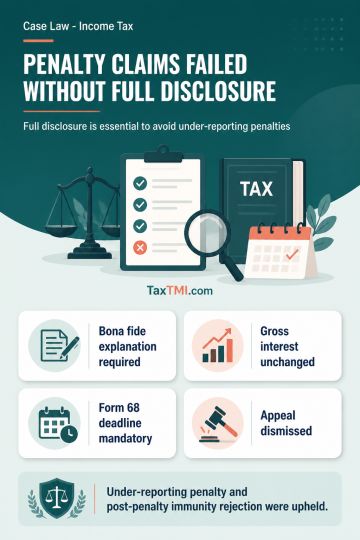
Bona fide disclosure requirements govern under-reporting penalties, and post-penalty immunity applications cannot secure available statutory protectio...
Certificate-of-origin verification procedure governs preferential customs benefits; denial without retroactive verification was set aside with consequ...
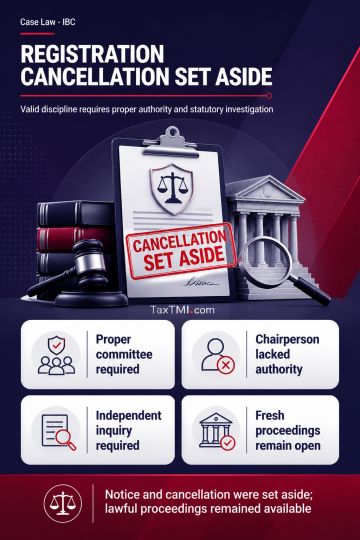
Disciplinary Committee jurisdiction and mandatory investigation requirements invalidated cancellation of an insolvency professional's registration and...
Corporate guarantees executed by the corporate debtor were held to constitute financial debt under Section 5(8) of the Code because liabilities under guarantees for money borrowed against payment of interest fall within that definition. The Court accepted that the guarantees were in existence and had been verified, and held that non-disclosure in financial statements did not defeat the substantive claim. It further held that non-submission before the NCLT was not fatal, since documents could be produced on appeal and the resolution professional was entitled to verify claims. Insufficient stamping was treated as a curable defect, not a ground to render the guarantees unenforceable. The concurrent findings rejecting the claims were found perverse and were set aside, with directions to include the appellants in the committee of creditors.
Corporate guarantees executed by the corporate debtor were held to constitute financial debt under Section 5(8) of the Code because liabilities under guarantees for money borrowed against payment of interest fall within that definition. The Court accepted that the guarantees were in existence and had been verified, and held that non-disclosure in financial statements did not defeat the substantive claim. It further held that non-submission before the NCLT was not fatal, since documents could be produced on appeal and the resolution professional was entitled to verify claims. Insufficient stamping was treated as a curable defect, not a ground to render the guarantees unenforceable. The concurrent findings rejecting the claims were found perverse and were set aside, with directions to include the appellants in the committee of creditors.
Note: It is a system-generated summary and is for quick reference only.
 TaxTMI
  TaxTMI
 of 4816












 Join Channel