Transaction value cannot be rejected solely on non-statutory valuation guidelines without corroborative evidence supporting reassessment of final cust...
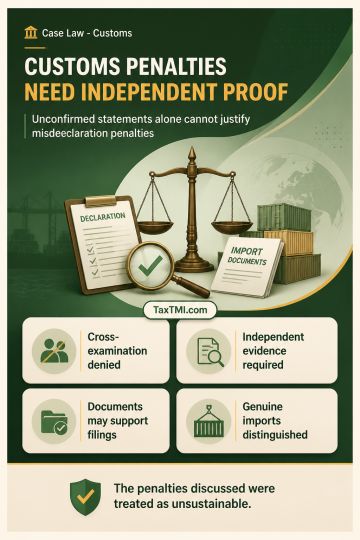
Cross-examination rights and corroborated evidence limit customs penalties for misdeclaration in genuine import transactions involving documented clea...
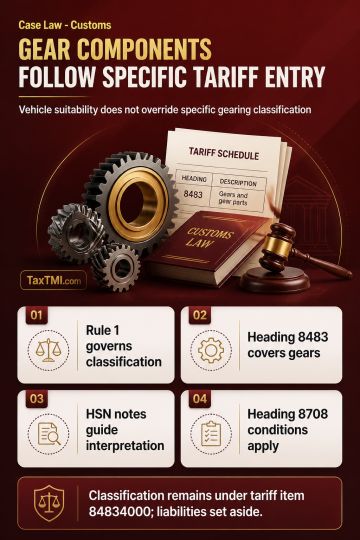
Tariff classification of vehicle gear components follows the specific gearing entry, displacing motor-vehicle parts classification and related liabili...
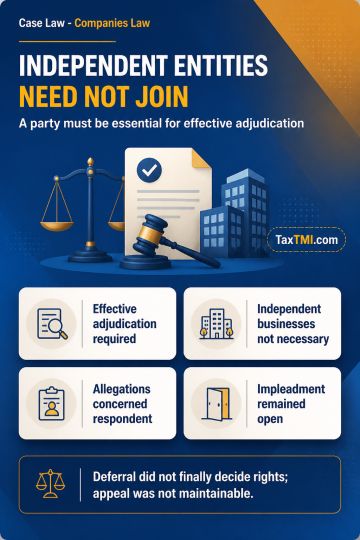
Necessary-party requirements limit impleadment of independent entities, while deferred consideration does not create an appealable adverse determinati...
Food supplement classification requires common parlance and authoritative tests, preventing treatment as proprietary Ayurvedic medicines without suppo...
Corporate guarantees executed by the corporate debtor were held to constitute financial debt under Section 5(8) of the Code because liabilities under guarantees for money borrowed against payment of interest fall within that definition. The Court accepted that the guarantees were in existence and had been verified, and held that non-disclosure in financial statements did not defeat the substantive claim. It further held that non-submission before the NCLT was not fatal, since documents could be produced on appeal and the resolution professional was entitled to verify claims. Insufficient stamping was treated as a curable defect, not a ground to render the guarantees unenforceable. The concurrent findings rejecting the claims were found perverse and were set aside, with directions to include the appellants in the committee of creditors.
Corporate guarantees executed by the corporate debtor were held to constitute financial debt under Section 5(8) of the Code because liabilities under guarantees for money borrowed against payment of interest fall within that definition. The Court accepted that the guarantees were in existence and had been verified, and held that non-disclosure in financial statements did not defeat the substantive claim. It further held that non-submission before the NCLT was not fatal, since documents could be produced on appeal and the resolution professional was entitled to verify claims. Insufficient stamping was treated as a curable defect, not a ground to render the guarantees unenforceable. The concurrent findings rejecting the claims were found perverse and were set aside, with directions to include the appellants in the committee of creditors.
Note: It is a system-generated summary and is for quick reference only.
 TaxTMI
  TaxTMI
 of 4819













 Join Channel


