Charitable trust income application permits verified capital expenditure but rejects deferred pre-operative claims and requires reconsideration of con...
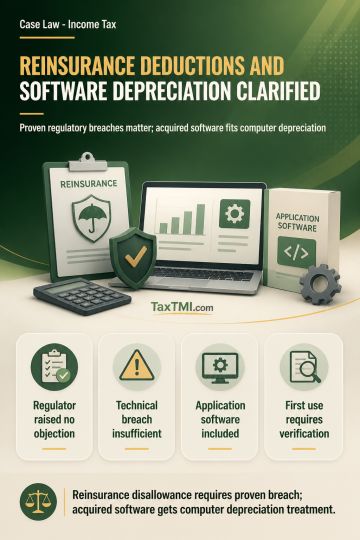
Reinsurance premium deductions require established regulatory breaches, while independently acquired software qualifies within the computer depreciati...
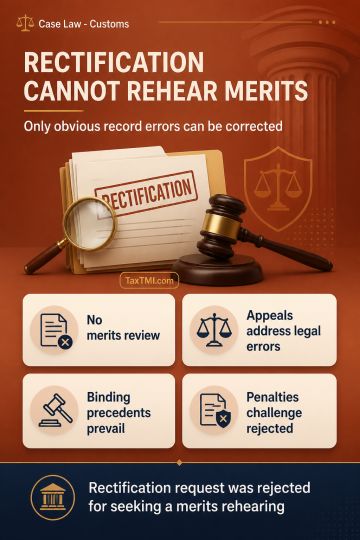
Rectification of mistake remains limited to self-evident record errors, preventing merits review through miscellaneous applications and preserving fin...
Tender creditworthiness conditions may extend to de facto Promoter Directors, with post-participation challenges generally barred absent arbitrariness...
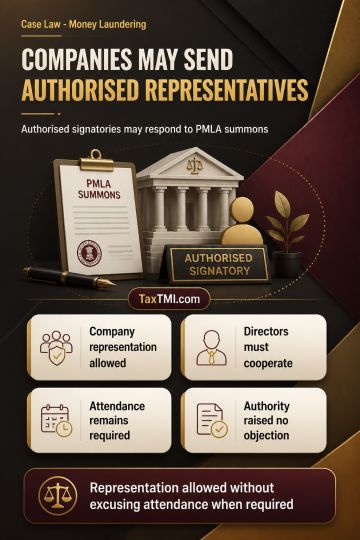
Corporate representation in PMLA summons proceedings permitted through an authorised signatory, subject to directors' continuing cooperation and atten...
Page of 4816
Press 'Enter' after typing page number.
1161 to 1180 of 96301 Results
❮
❯
❯❯
0 / 200
Expand Note
Add to Folder
No Folders have been created
+
Are you sure you want to delete "My most important" ?
Non-injurious price in anti-dumping proceedings had to be disclosed with sufficient factual detail before final findings, because the calculation directly affected normal value, injury margin and the recommendation of nil duty. The Tribunal found that the disclosure statement did not explain the methodology or basis of the working, so the exporter could not effectively respond; disclosure after final findings caused prejudice and the nil-duty recommendation was set aside and remitted for fresh determination with reasonable opportunity. On product scope, semi-finished ophthalmic lenses with refractive index above 1.6 were upheld as excluded from the product under consideration because the domestic industry did not actually produce that category and the items were not technically or commercially substitutable.
Non-injurious price in anti-dumping proceedings had to be disclosed with sufficient factual detail before final findings, because the calculation directly affected normal value, injury margin and the recommendation of nil duty. The Tribunal found that the disclosure statement did not explain the methodology or basis of the working, so the exporter could not effectively respond; disclosure after final findings caused prejudice and the nil-duty recommendation was set aside and remitted for fresh determination with reasonable opportunity. On product scope, semi-finished ophthalmic lenses with refractive index above 1.6 were upheld as excluded from the product under consideration because the domestic industry did not actually produce that category and the items were not technically or commercially substitutable.
Note: It is a system-generated summary and is for quick reference only.
 TaxTMI
  TaxTMI
 of 4816














 Join Channel


